
How One NZ Took The Guesswork Out Of Its Biggest Ad Of The Year
The Challenge
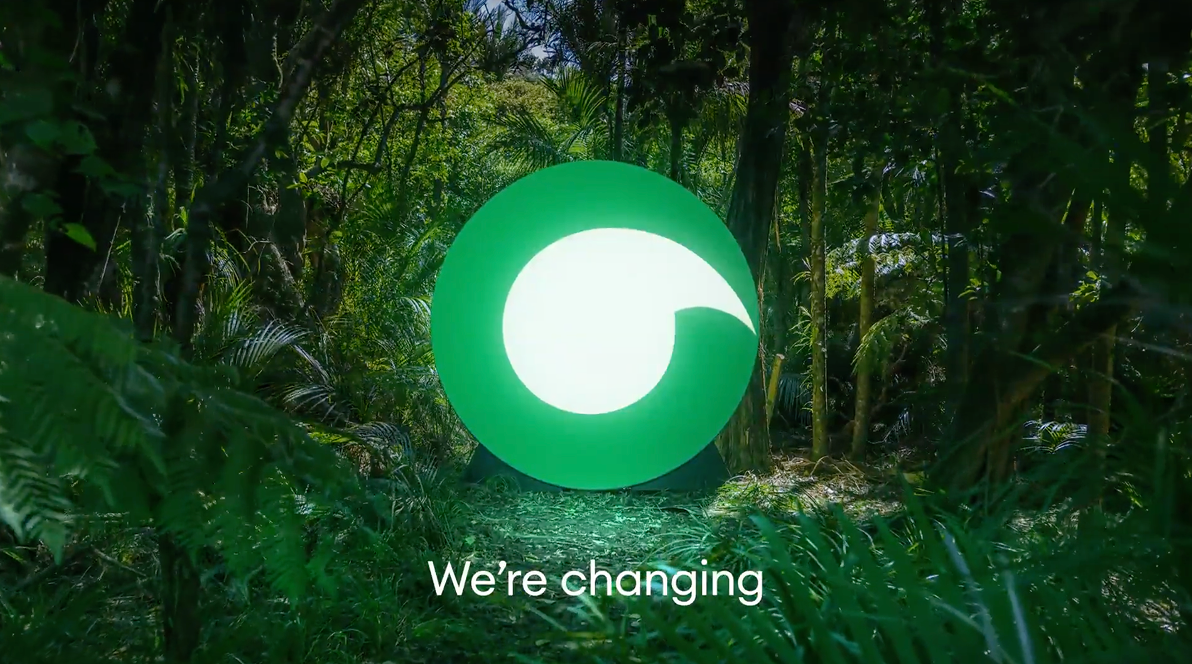
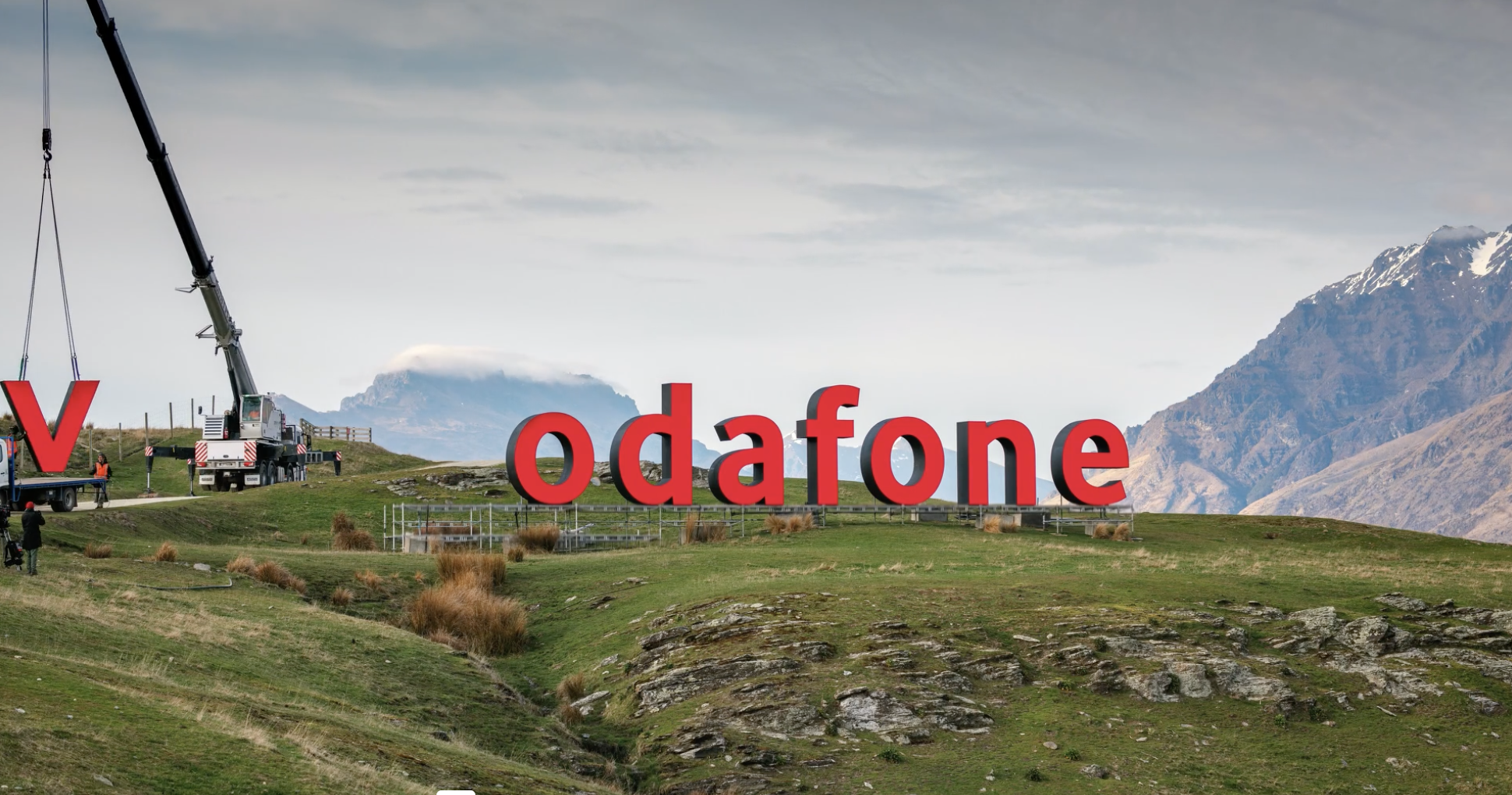
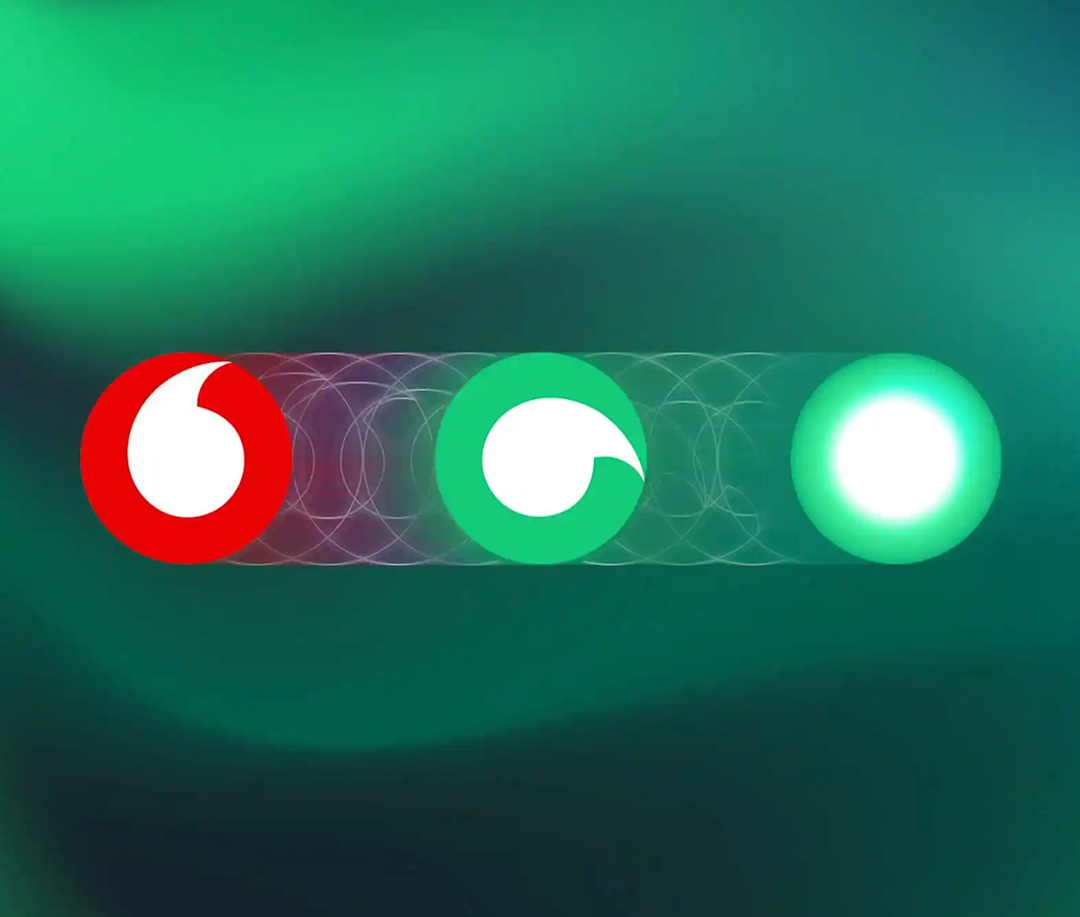
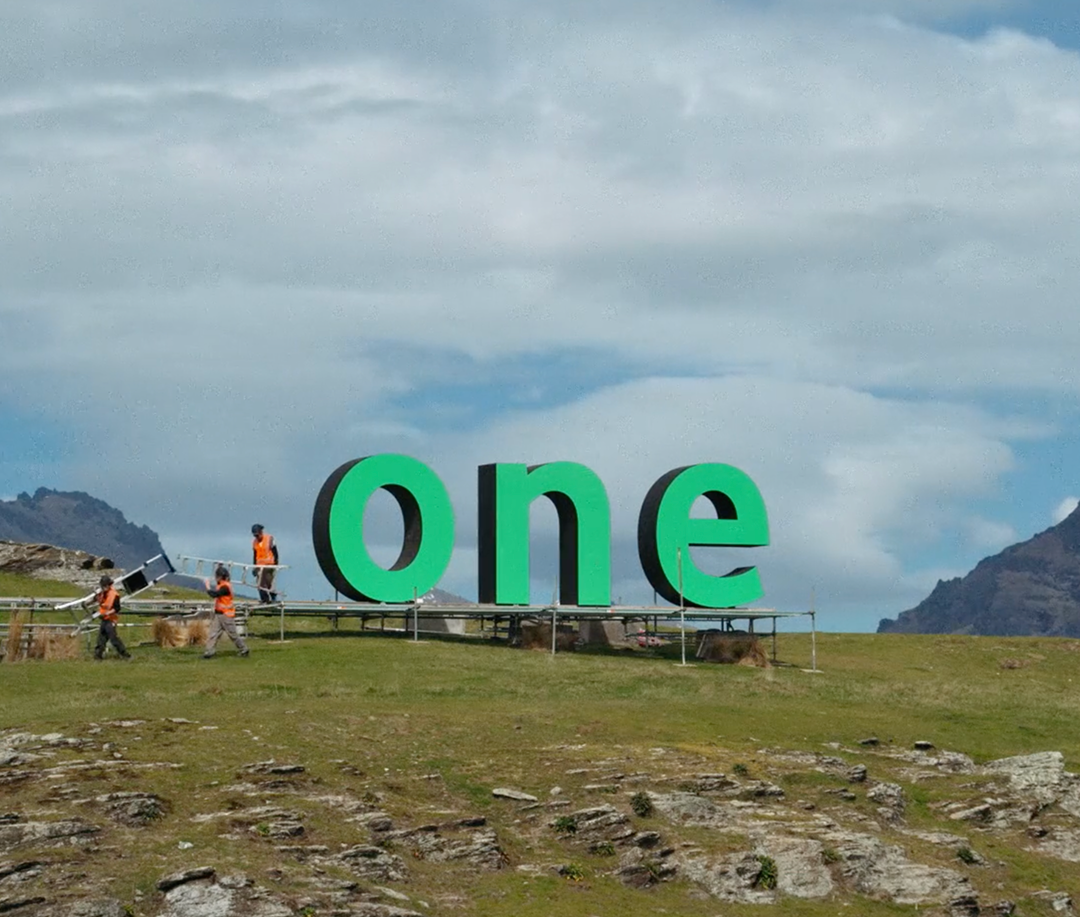
Three years ago, One NZ did something few brands ever have to do: it retired one of the most recognisable names in the country and introduced a new one. Rebranding from Vodafone meant investing more in brand building than the company ever had, anchored by a major TV campaign each year. One big production, high creative ambition, running in market all year.
With that much riding on one ad a year, the obvious question was the hardest to answer: is it actually working? The team had plenty of data, sales, impressions, views. What the metrics couldn't tell them was whether the ad was earning rapport in real time with consumers, and why.
Getting that answer through traditional research was slow. Even with questions already written, a custom study meant engaging a panel provider, programming, fieldwork and data cleaning: ten business days on a good run. In a business running two-week agile sprints, that meant the Insights team often wasn't part of the conversation at all.
And Ana Cohen, One NZ's Customer & Market Intelligence Manager, wasn't going to fix it with shortcuts. She'd heard the "overnight research" promise plenty of times before, and in her experience it never survived contact with nationally representative quotas, data quality and respondent validation. Speed always came with a compromise somewhere. Any fix had to protect the rigour that made her team's work credible in the first place.
The Approach
The first study on Ideally was the test: could overnight actually hold up? It did. A nationally representative dataset, back overnight, with no drop in quality. As Ana puts it, the platform "says what it is on the tin".
That unlocked something One NZ had never had: a structured, repeatable way to measure how its biggest creative investments land with real consumers. Once each major campaign has been in market for six to eight weeks, the team tests it in Ideally, asking the same questions the same way every time. Around six benchmark studies in, that consistency compounds:
Year against year. This year's campaign is benchmarked directly against last year's: more likable or less, and the reasons why, with every study living in one place for cross-comparison.
Against other great creative. Other ads go into the same tests, so One NZ can see how its creative performs against other strong work, not just against itself.
Whenever the question comes up. When the exec asks, “do people still like the ad six months after launch?”, the team can re-test on the fly and answer with evidence, not opinion.
What the benchmarking uncovered
The programme has directly shaped One NZ's creative direction:
Humour and storytelling beat education. The best performing ads lean into humour and memorable storytelling. The team learned it could pull back on product and service education messaging; people already know One NZ is a telco. That insight has driven a deliberate shift towards entertaining, memorable, story-led ads.
An inclusive narrative matters. One year's campaign leaned heavily into a family storyline, and the data showed certain audiences, singles, students, households without kids, tuning out. The following year's campaign rebalanced the story to speak to everyone.
A shared learning loop with agencies. Because One NZ lives on an annual campaign cycle, each round of insights feeds directly into the next year's brief. The team shares the results openly with its creative and media agencies: same data, same playing field, one shared journey of learning.
The benchmarking programme opened the door to something bigger. With overnight results proven, the team now runs rapid studies across the business: everyday validation questions that would previously have gone unasked, and harder-to-reach non-customer and competitor audiences that once depended on external providers. Questions in before midday, answers the next morning.
Why Ideally
The platform didn't replace researchers or strategic thinking. It removed the administration and the waiting, so the team could spend its time on the parts that matter: asking better questions, interpreting findings and helping the business make better calls. The result has been internal as much as external: the team is brought into more conversations, fields more requests than ever, and has built rapport and influence with senior stakeholders because the answers arrive while the question still matters.
And the relationship has worked as a partnership rather than a vendor arrangement: responsive, open to feedback and focused on how researchers actually work, even when the platform isn't the right tool for a particular problem.
Results
Six+ campaign benchmark studies comparing each year's major TV campaign against previous years, with learnings on humour, storytelling and audience inclusivity now shaping each new campaign brief
A measurement layer the metrics couldn't provide: evidence of whether consumers actually like the creative, and why, alongside sales, impressions and views
Ten business days down to overnight. Questions in before midday, robust nationally representative results the next morning, with no quality trade-off
50+ rapid research projects in two years, answering questions that would previously have relied on assumption or gone unanswered
Demand has flipped: the Insights team went from encouraging people to use research to prioritising more requests than it can service, with "can we validate this?" now the default question across the business


