
As QSR Invests in Beverage Innovation, It May Be Betting on the Wrong Benefit
Dunkin' has added Protein Milk across lattes and Refreshers, including Megan's Mango Protein Refresher, which delivers 15 grams of protein. McDonald's has rolled out a permanent lineup of Refreshers and crafted sodas, followed by its first Red Bull energy drink. Taco Bell is continuing to build out Live Más Café with cold brews, cold foams, Refrescas and energy drinks.
But new research from Ideally suggests consumers may be looking for something simpler.
Among 1,086 US consumers, 38% say "treat" is the main appeal of a new beverage, while another 34% want a balance of indulgence and function. Functional benefits alone drive appeal for just 10%.
The audience most primed to respond to beverage innovation is looking for something enjoyable, or enjoyable enough that the functional benefits feel like a bonus.
Beverages already sit at the heart of the QSR visit.
More than half of consumers, 55%, buy a drink every visit or most visits. So the opportunity is less about convincing people to buy beverages and more about giving them a reason to choose a new one.
That helps explain the breadth of innovation hitting US menus.
Younger families stand out as the audience most open to drink-led visits.
24% are very likely to visit a fast food restaurant for a specific drink, compared with 14% overall.
That makes them the strongest segment for beverage launches designed to generate incremental visits rather than simply attach to an existing meal.
But the heaviest habitual drink buyers are a different group.
Consumers aged 45–54 lead on buying a drink every visit, at 32%, while 25–34s and 35–44s lead on buying one most visits, at 33% each.
QSR beverage strategy is therefore serving two jobs at once: innovation can attract younger, more visit-flexible consumers, while familiar, reliable options keep the core habitual buyer engaged.
For younger consumers, discovery is already translating into visits.
44% of US consumers have visited a QSR specifically because of a drink they saw on social media, while 25% have done it more than once.
The effect is concentrated heavily among consumers under 45.
For marketers, that makes beverage innovation particularly suited to social-first launches. The product needs enough flavour, novelty and visual identity to travel through feeds before it ever reaches the drive-through.
You can see brands leaning into exactly that. McDonald's latest drinks feature freeze-dried fruit, brightly coloured flavours, cold foam and popping boba, while Taco Bell is developing bold formats and flavours designed to make the beverage itself feel like an occasion.

When consumers respond to innovation, function is rarely the hero.
The 35–44 audience, one of the most habitual beverage-buying groups, over-indexes hardest on a balance of both, at 46% versus 34% overall.
That points to a particularly interesting middle ground: indulgent, but justified.
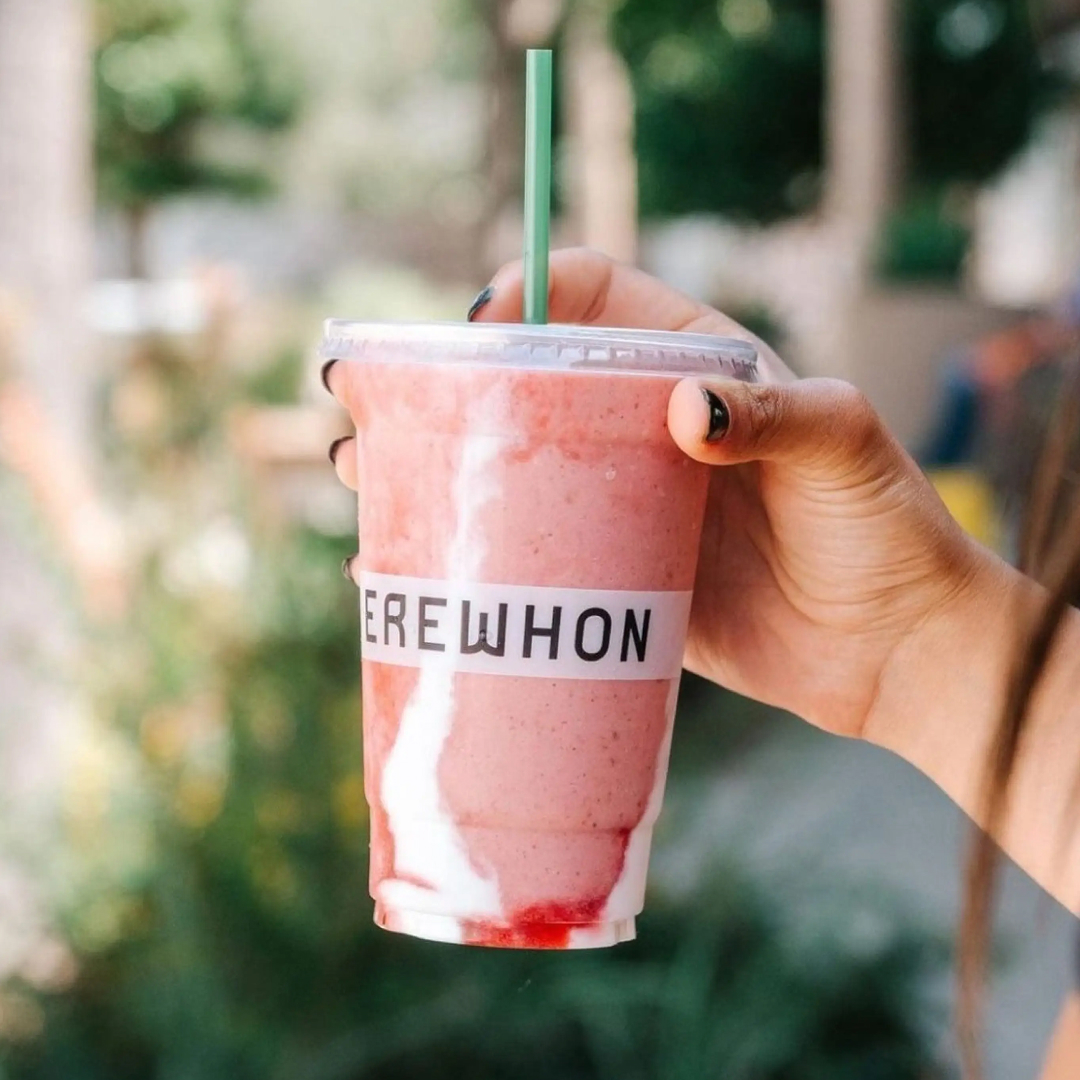
One of the clearest cultural examples of that formula comes from outside traditional QSR. Erewhon's Hailey Bieber Strawberry Glaze Skin Smoothie combined the visual and sensory appeal of a sweet strawberry smoothie with wellness credentials including collagen and hyaluronic acid. It became a social phenomenon because function and indulgence existed in the same cup.
That same tension is now appearing across QSR menus. Dunkin's Protein Refreshers pair fruit flavours with 15 grams of protein, while McDonald's crafted sodas and Refreshers lean heavily into flavour, texture and treat appeal.
Older consumers reinforce the same idea from another direction. Among 65–74s, 44% choose "treat" as the main appeal of a new beverage.
The blueprint already exists:
Treat appeal:
→ wellness credentials
→ social currency
= a drink people want to talk about
The current wave of better-for-you beverage innovation may be built around one of the weakest drivers in the data.
Protein, wellness and functional benefits still have a role, but the data suggests they may work harder as the justification than the headline.
The stronger proposition may be something closer to:
A treat you can feel good about.
For QSR brands, the opportunity is to test whether consumers want the function itself, or whether function simply gives them permission to choose the thing they already wanted.


