
Can You Afford to Be Curious?
It doesn't show up on a P&L, nobody carries a KPI for the questions they asked this quarter, and in a year when most marketing teams have been told to do more with less, "let's spend longer understanding the problem" can sound like the least affordable sentence.
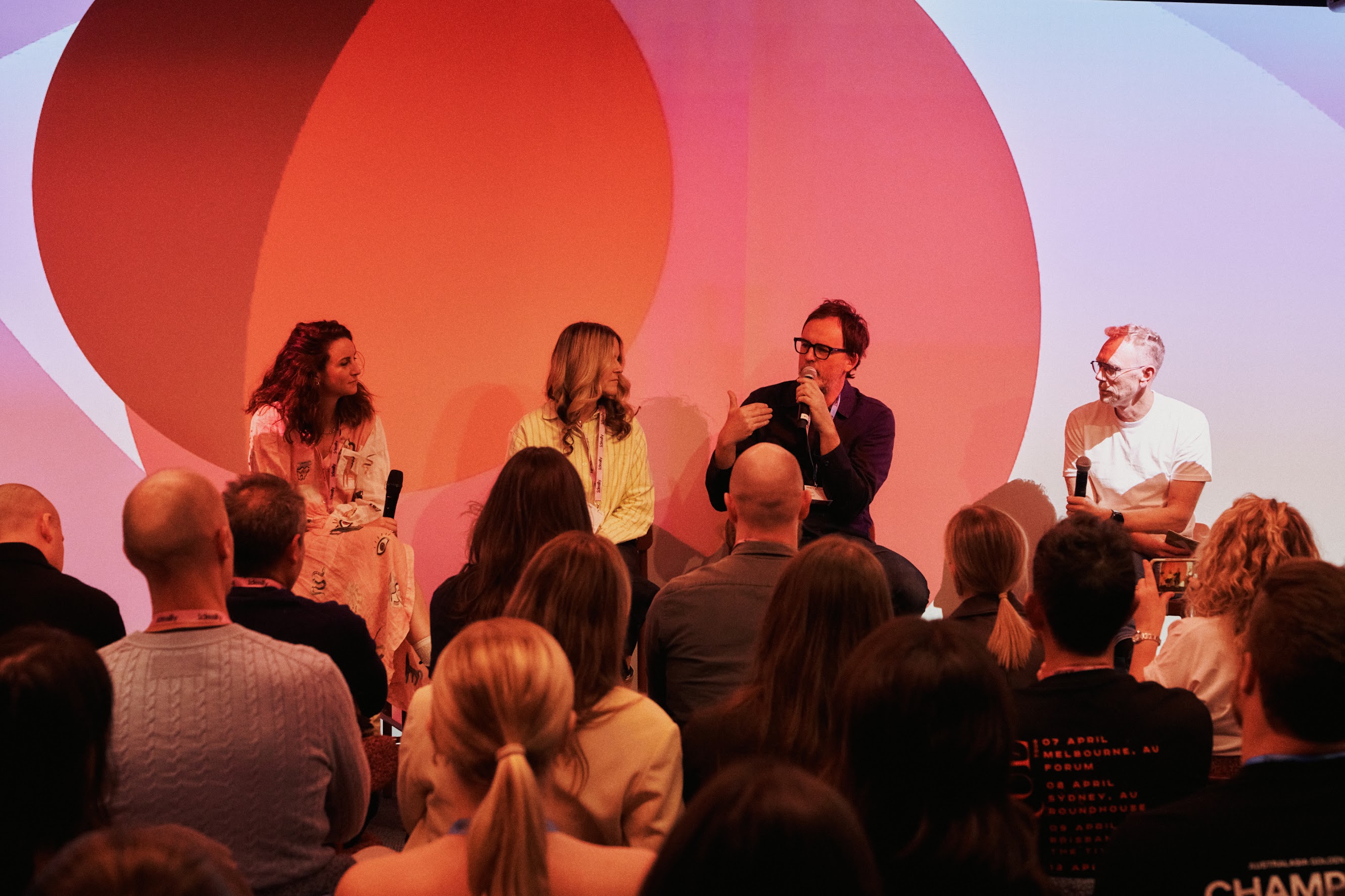
So last week at Exhibition of Insights in Sydney, we asked a room of marketers, insights leaders and strategists a question: can you afford to be curious? And, sitting quietly underneath that, can you afford not to be?
On stage to answer it: Sally Spriggs (Group Marketing Director at KFC SOPAC); Danielle Hamilton (former CMO of My Muscle Chef and ING); Brent Smart (former CMO of Telstra and IAG); and Al Crawford (Founder, Shapeshifter Consulting).
Between them they've run brands in fast food, yoghurt, banking, insurance and telco. Very different categories, with a surprisingly consistent answer.
Curiosity isn't the expensive part, aimless curiosity is. The value sits in knowing where to point it, how to turn it into a decision, and when to stop asking and start making.

Curiosity needs somewhere to go
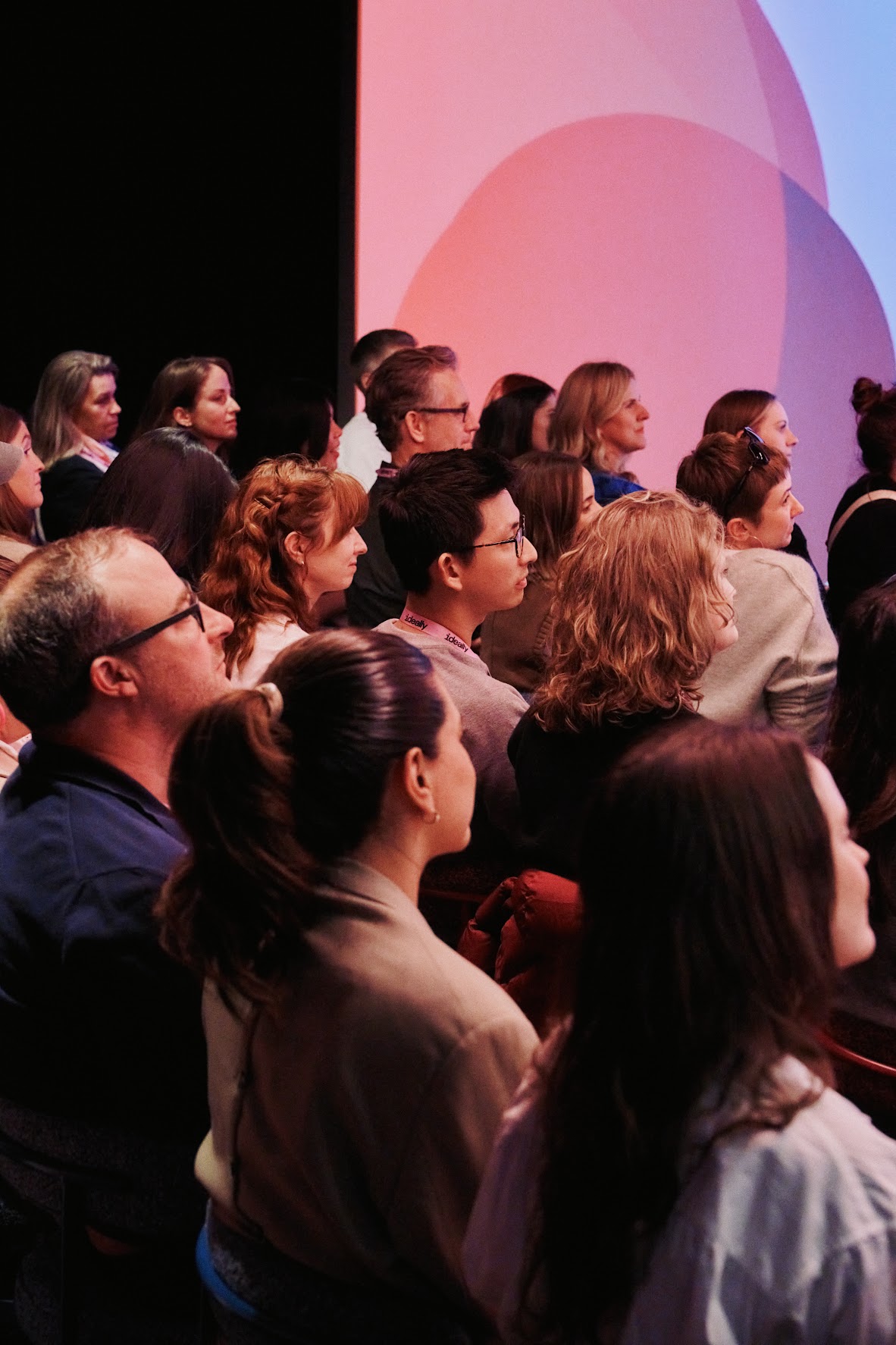
Al Crawford opened the evening with a contradiction.
We all like to think of ourselves as curious. Companies increasingly write curiosity into their values. Yet the reality inside organisations often looks very different. Speed, certainty, established ways of working and the fear of asking a stupid question can gradually squeeze curiosity out.
His provocation was that curiosity comes with a cost. It takes time, attention and a willingness to tolerate uncertainty. Open one question and you often uncover five more. But in businesses increasingly optimised for speed, the greater danger may be shutting that exploration down too early.
Al’s point was that curiosity is valuable precisely because it resists that rush to certainty. It creates the space to challenge assumptions, explore alternatives and ask whether the obvious answer is actually the right one.
But curiosity for curiosity’s sake has limits too. At some point, questions need to lead somewhere.
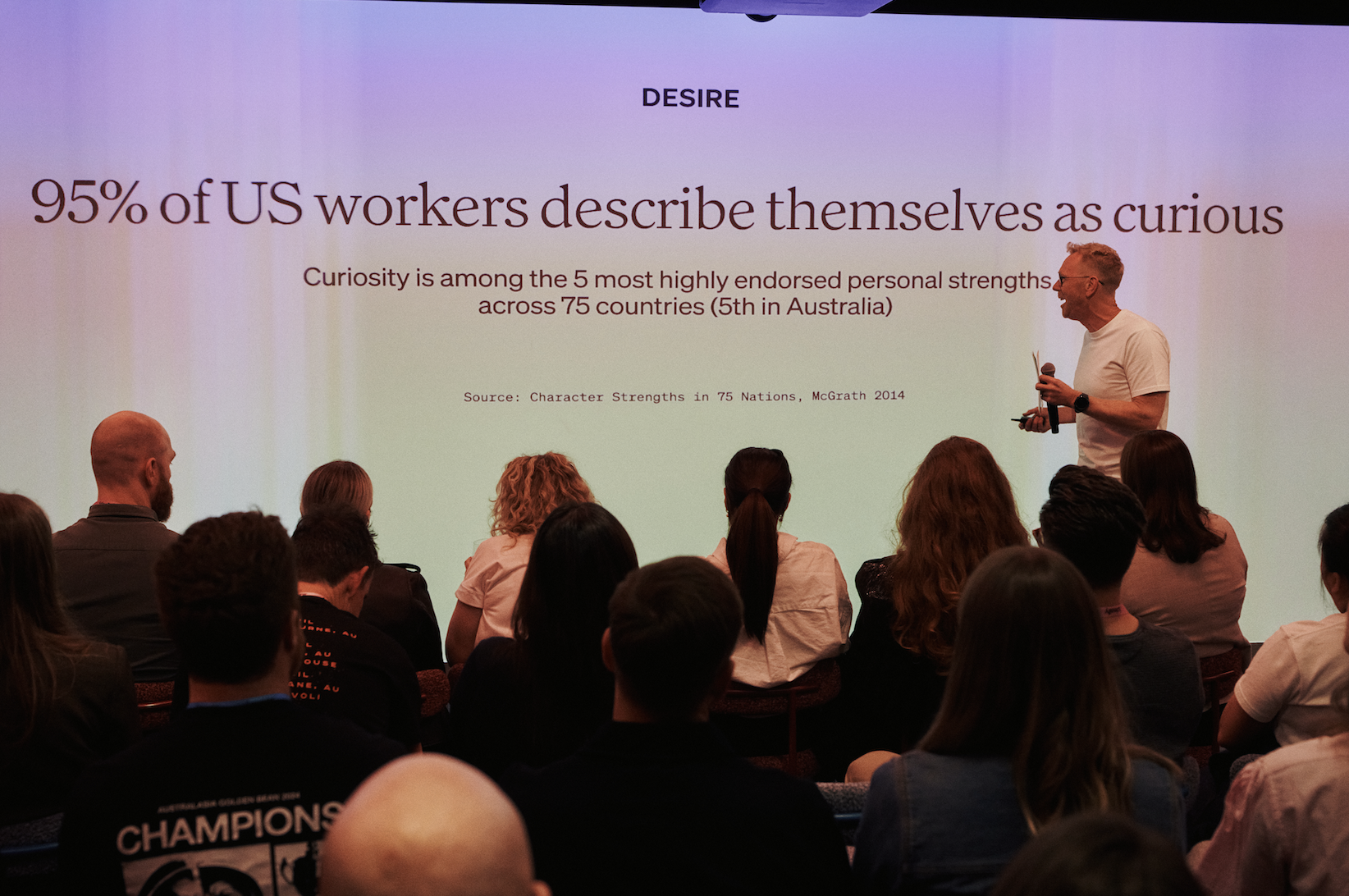
Stay consistent on what works. Get curious about what could work better.
For KFC, curiosity has played a different role: helping a highly established brand continue to evolve without throwing away the things that already work.
Sally Spriggs pointed to Bucketheads as an example: the long-running sponsorship platform sees sports fans wear KFC’s iconic red chicken buckets on their heads at games, turning packaging into a highly visible piece of brand theatre.
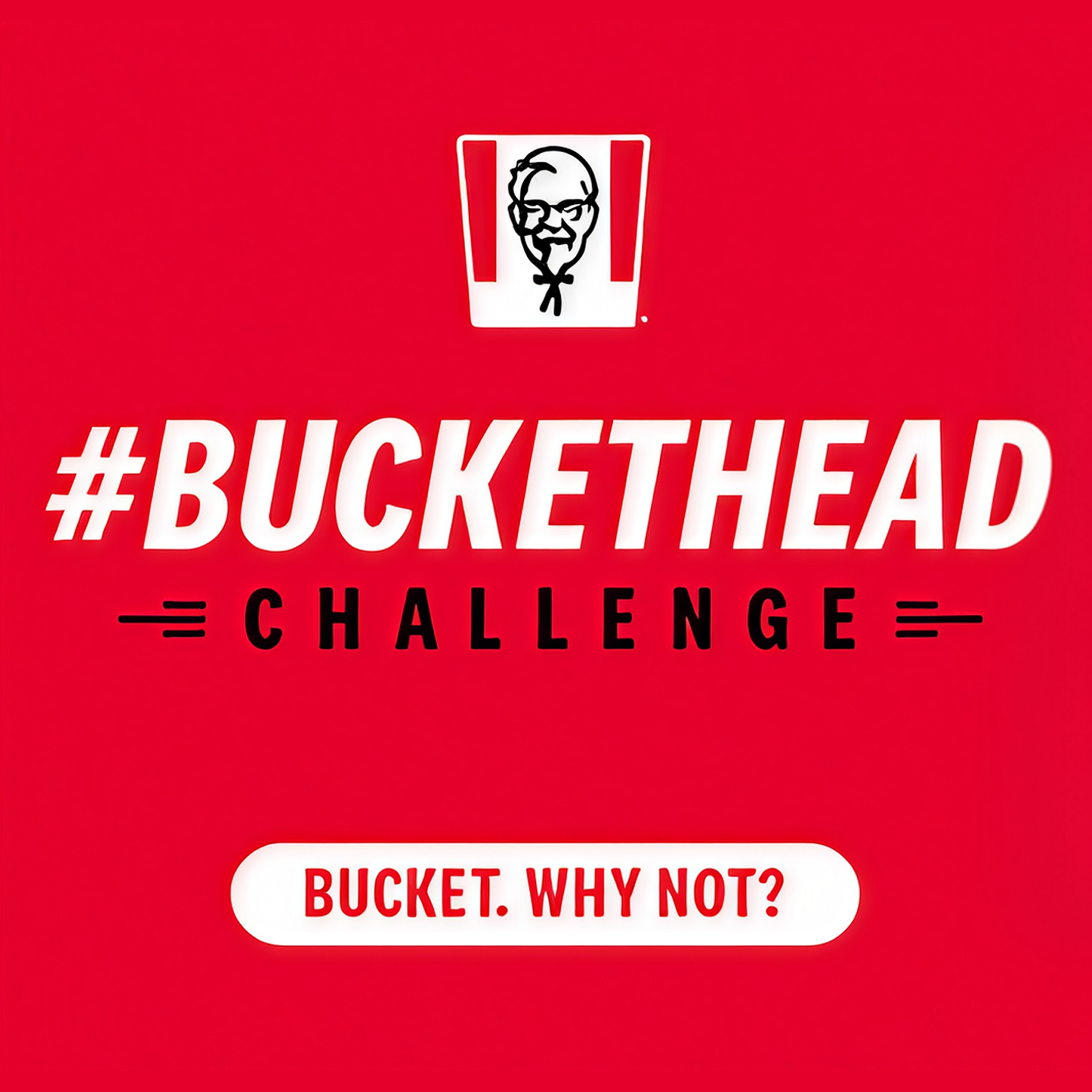
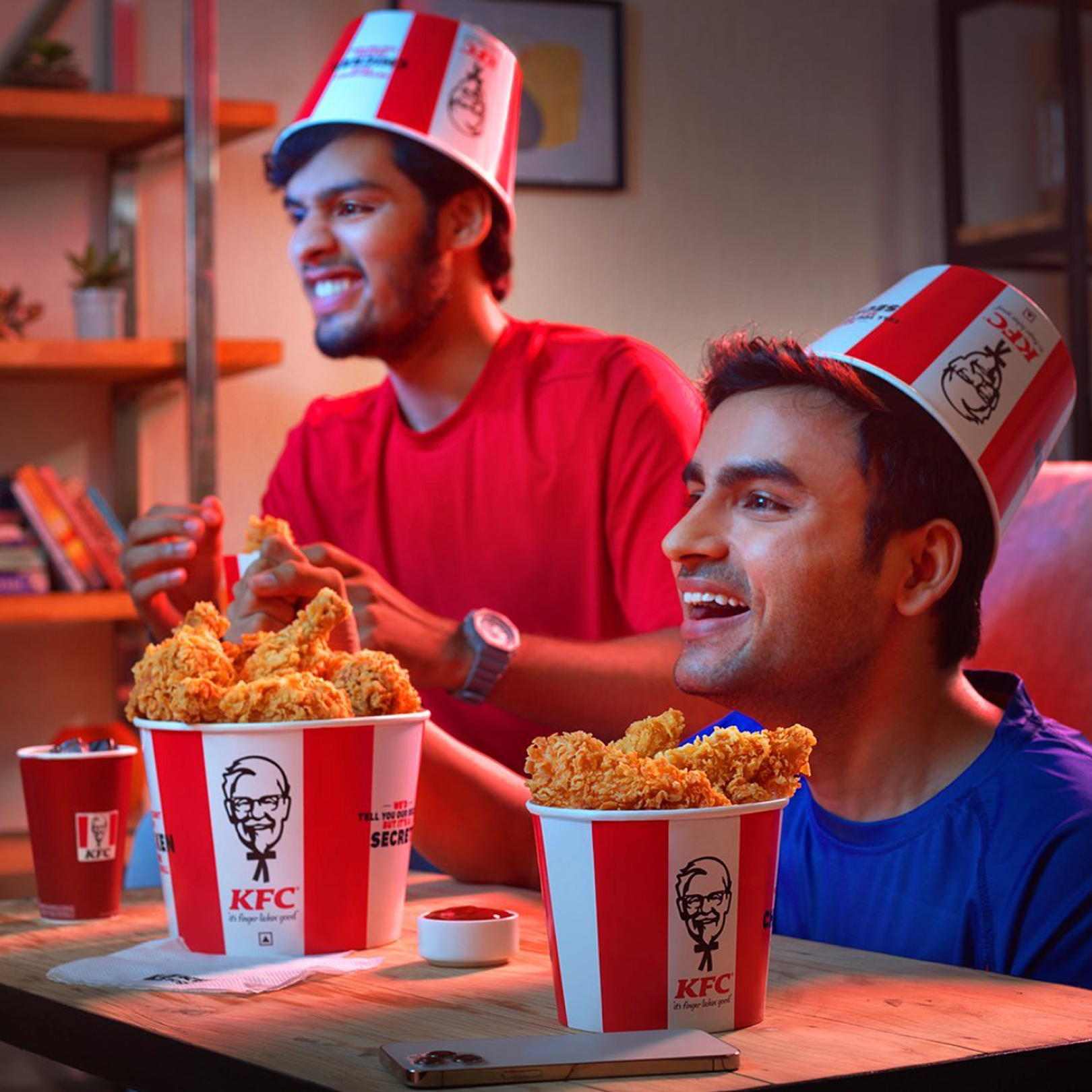
Rather than constantly questioning whether KFC should continue the long-running platform, the team became curious about how its role could evolve. What began as a way to put red buckets on people’s heads became something fans could use to celebrate their teams.
The same thinking helped unlock campaigns including Michelin Impossible and the repositioning that eventually led to Did Someone Say KFC?
In each case, the starting point was a tightly defined problem. Instead of asking how KFC could rationally convince people its food was higher quality, the team asked what might happen if they took the chicken out of the category entirely. That question led them into fine dining.
For Sally, data has made that kind of curiosity easier to pursue. More accessible information means teams can answer one question and move rapidly to the next. The risk comes when sheer volume overwhelms meaning, or when individual data points are taken out of context and used to justify the wrong decision.
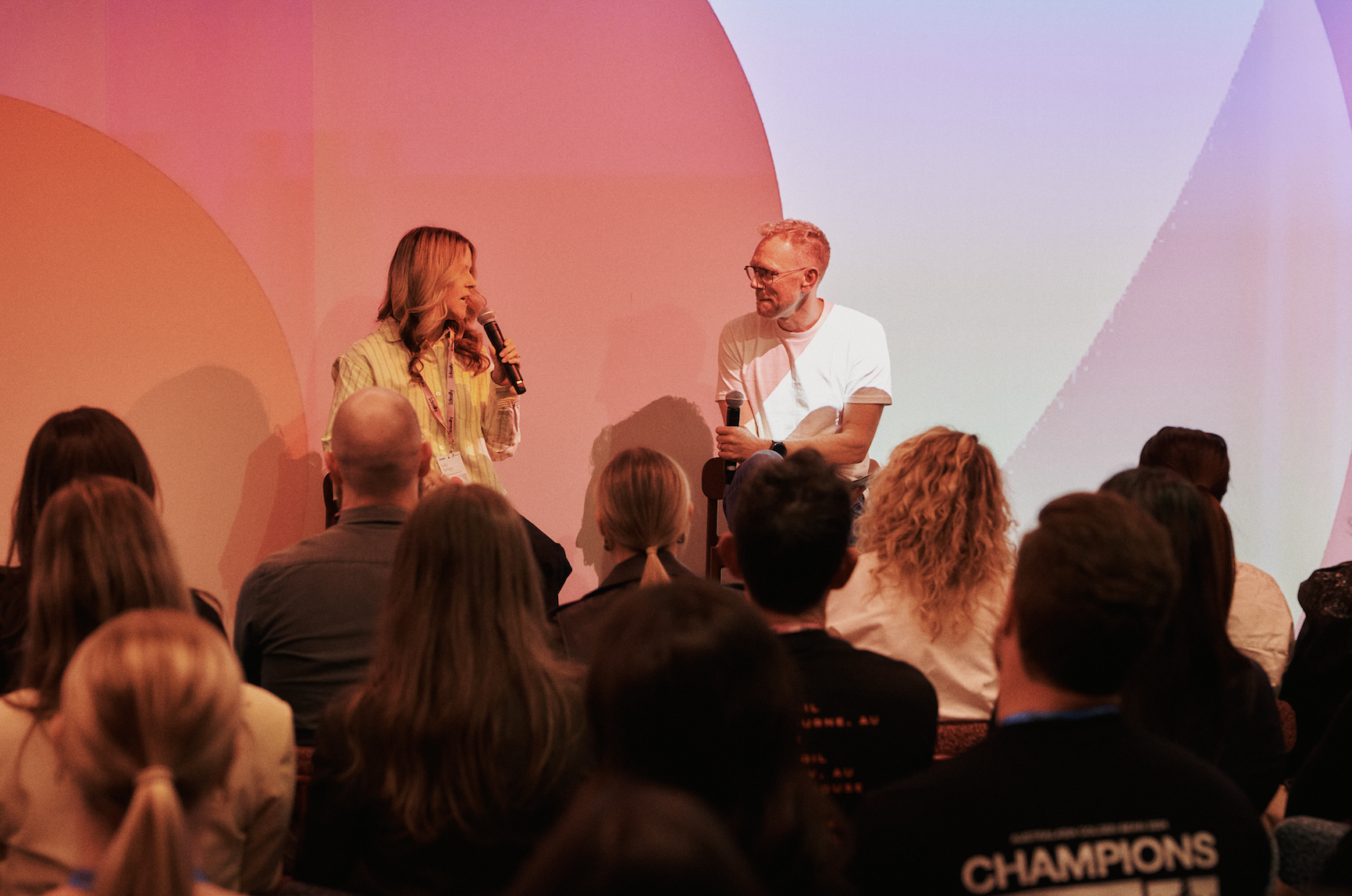
Curious thinking to unlock growth
Danielle Hamilton has seen what happens when curiosity moves between very different corporate environments.
At Chobani, it was embedded in the culture. Founder Hamdi Ulukaya had built the business around challenging assumptions about what Americans would eat and what yoghurt could become. Danielle recalled pitching a move from sweet yoghurt into savoury dips, then watching the business rally around the possibility. Soon enough, the team was serving tzatziki at a Texas Longhorns tailgate.
Curiosity helped unlock a new product, category and occasion.
In more regulated environments such as banking, curiosity can face a different set of constraints. Deep specialisation, risk structures and established processes can make “this is how we do it” one of the hardest assumptions to challenge.
Danielle's approach is a discipline she comes back to again and again: ask why five times.
That permission is what separates curious teams from compliant ones, and AI creates the same divide. For curious minds, it can become a catalyst and a way to challenge thinking, explore problems more deeply and surface angles that might otherwise be missed. For people searching for the fastest possible output, it risks becoming a shortcut to increasingly vanilla work.
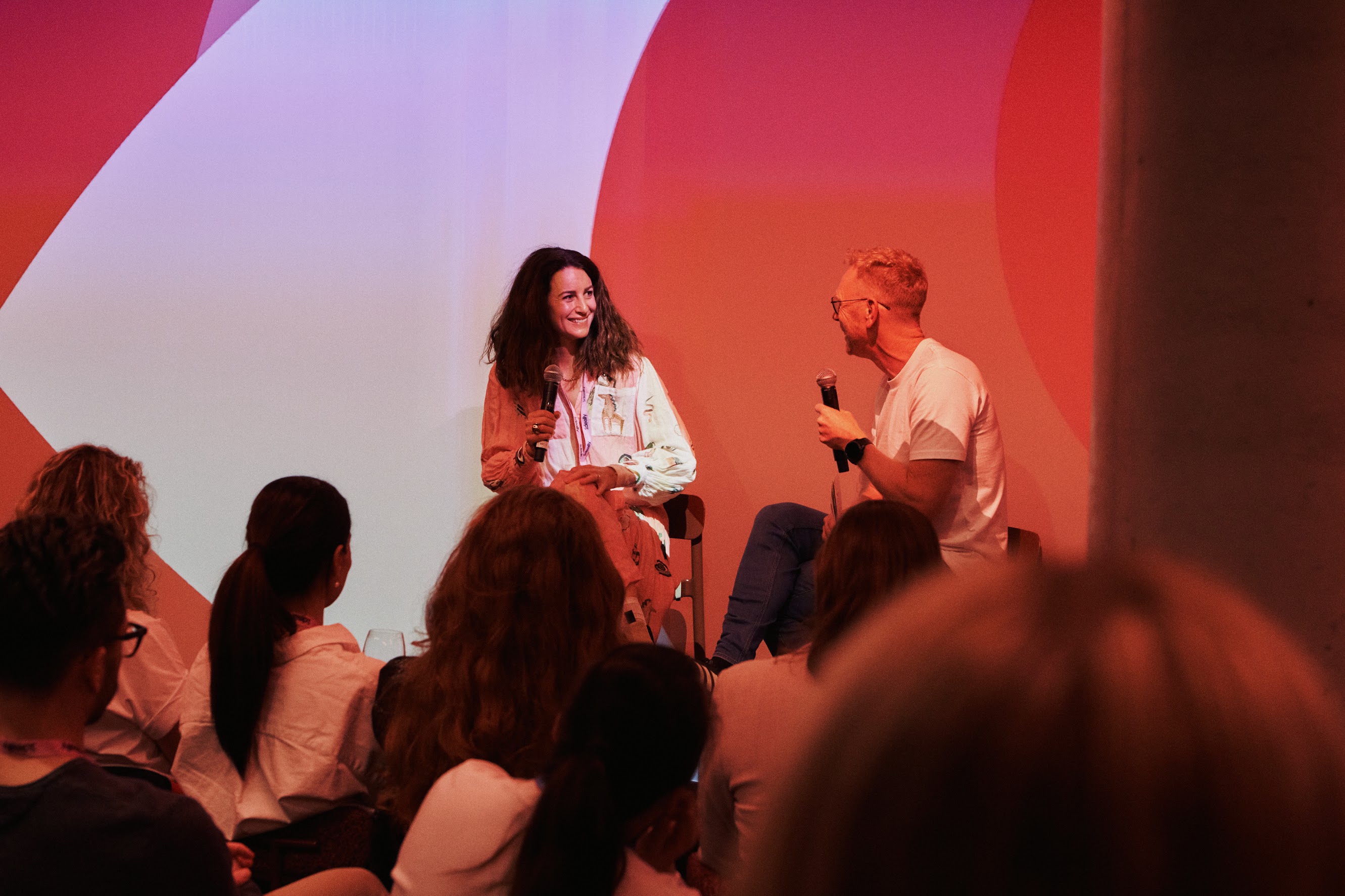
If you want to change how a brand feels, change how the brand feels
When Brent Smart arrived at Telstra, he had almost unlimited data about one of Australia’s best-known brands. What he lacked was a simple answer to a much harder question: how did Telstra actually make people feel?
So the team went smaller and deeper.
Rather than another large quantitative study, they conducted ethnographic research with a small group of customers and asked them to draw how Telstra made them feel. Brent took those drawings into Telstra’s leadership team.
That was enough to change the conversation and give the business permission to rethink the brand. It also created a mantra that would guide years of work: if you want to change how people feel about a brand, change how the brand feels.
For Brent, though, curiosity also needs a finish line.
Marketers can spend months researching, refining and searching for the perfect answer, leaving too little time to craft the work itself. His approach is to open the process up at the beginning, get deeply curious about the problem and insight, make a decision, then open it up again around how the idea can be made extraordinary.
There is a time for questions and a time for action. Knowing the difference is part of the job.
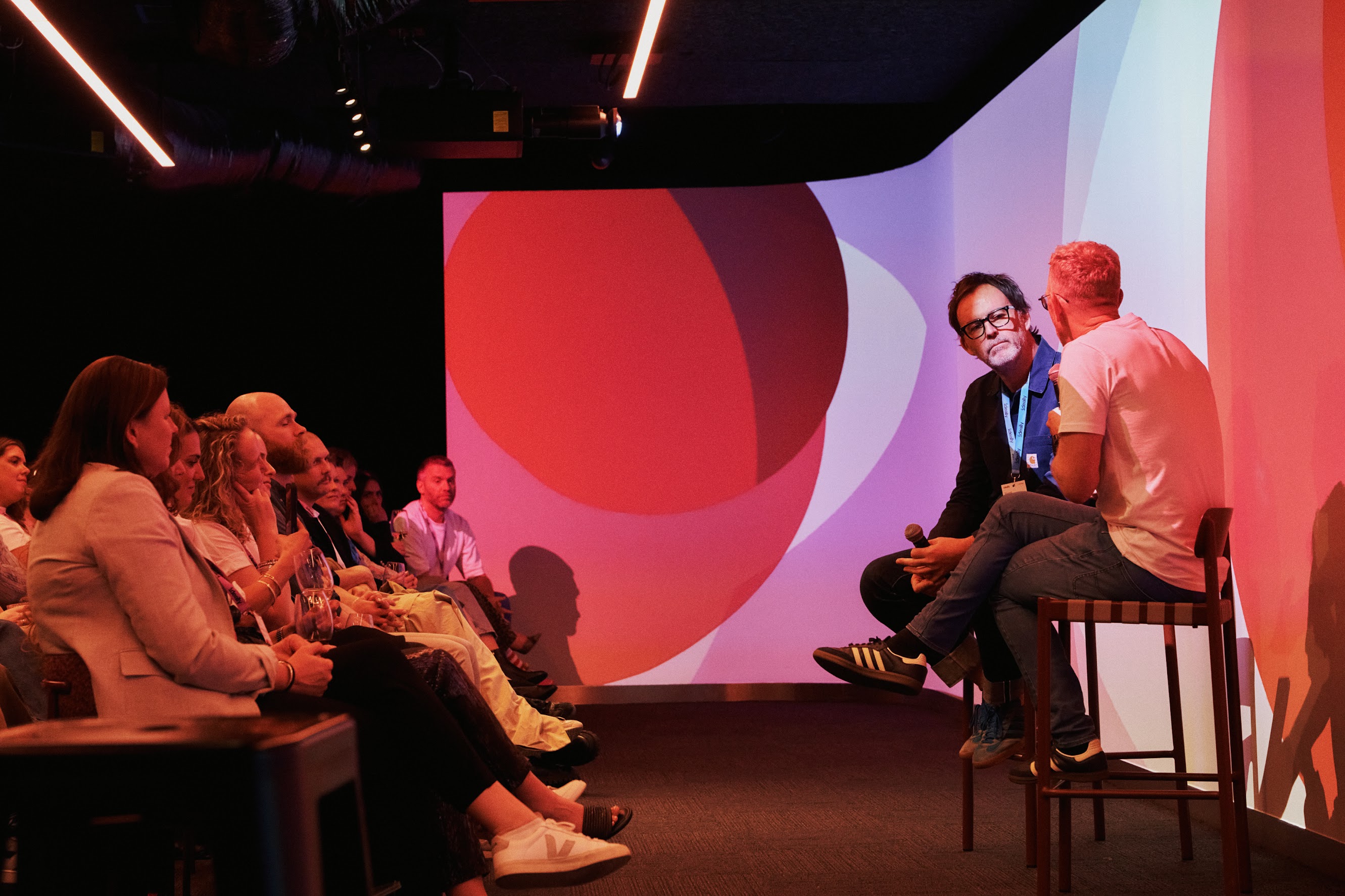
So, can you afford to be curious?
Put the four conversations side by side and something stands out. None of the moments that mattered cost very much.
Brent's three drawings came from a few days with a handful of customers. Sally's route into fine dining came from refusing the obvious question, not from a bigger budget. Danielle's savoury dips came from one pitch to a founder willing to hear it. In every case the curious option was cheaper than the safe one.
What it cost was tolerance - tolerance for a question you couldn't answer yet, for a leadership room that expected slides and got pictures, and for a few weeks without certainty. That's the real price, and it's the one Al named at the start: not time or money, but the discomfort of not knowing.
It also comes with a discipline, and every speaker put a limit on it. Stay consistent on what works and get curious about what could work better. Ask why five times, then pick. Open up around the problem, decide, then open up again around the solution. Curiosity that never lands is just procrastination with better branding.
So, yes. You can afford curiosity. Most of the brands in that room already are, whether they've noticed or not. The bigger risk was never overspending on questions. It's being so busy executing the answer that nobody checks whether it's still the right one.
That's what Ideally is built for. Answers overnight, so the next question comes sooner and certainty stops being the expensive part.


