
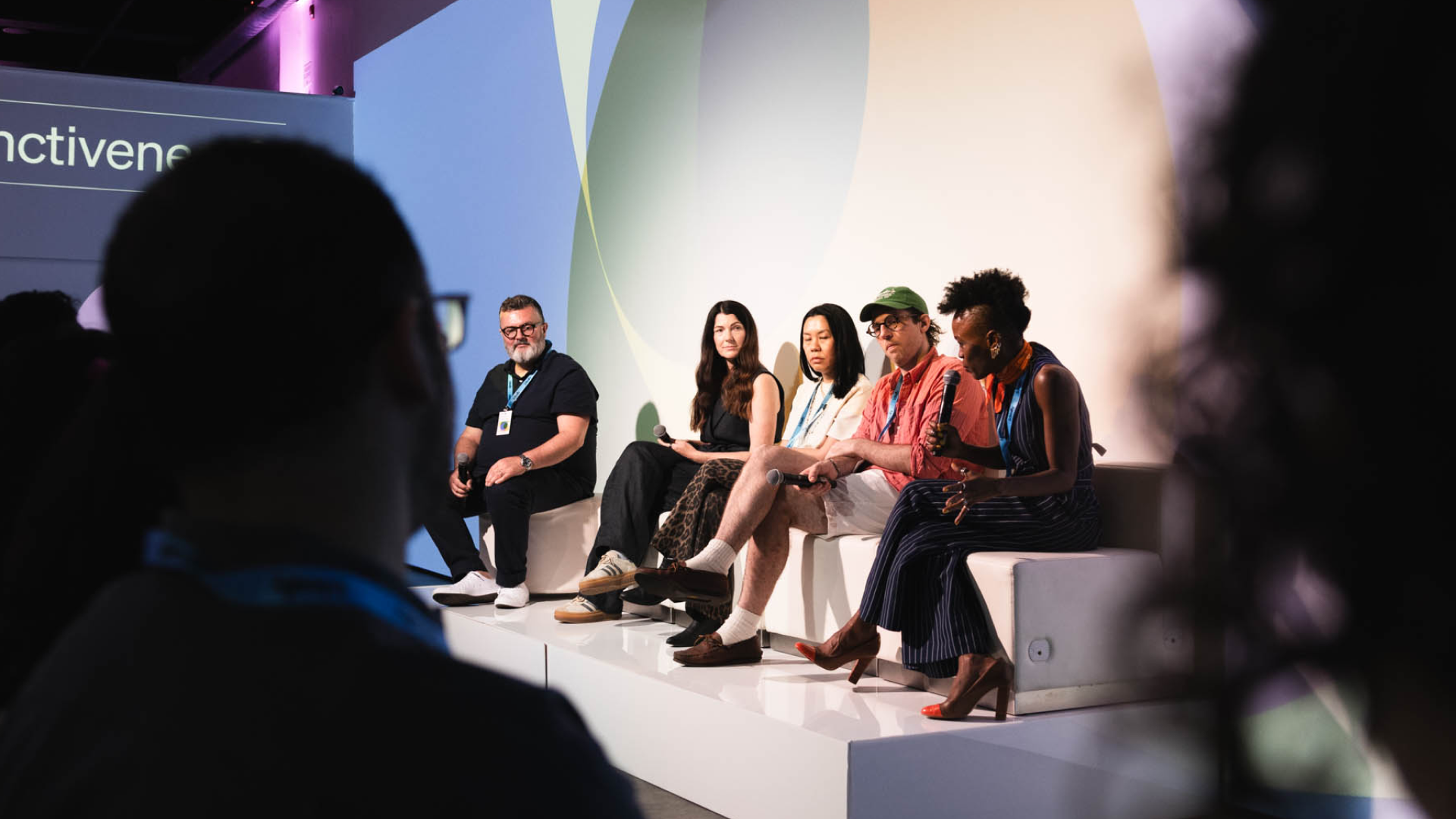
Did Data Kill Distinctiveness?
On stage to answer it: Nikkia Reveillac, who led insights at Netflix, Twitter and Colgate-Palmolive; Sally Barton (Mondelēz International), Felicia Zhang (Bar Keeper's Friend); Joe Burns (Quality Meats Creative), and Tom Morton (Narratory Capital)
The verdict: no. Data didn't kill distinctiveness. But the way we use it might.
Data without people is just numbers
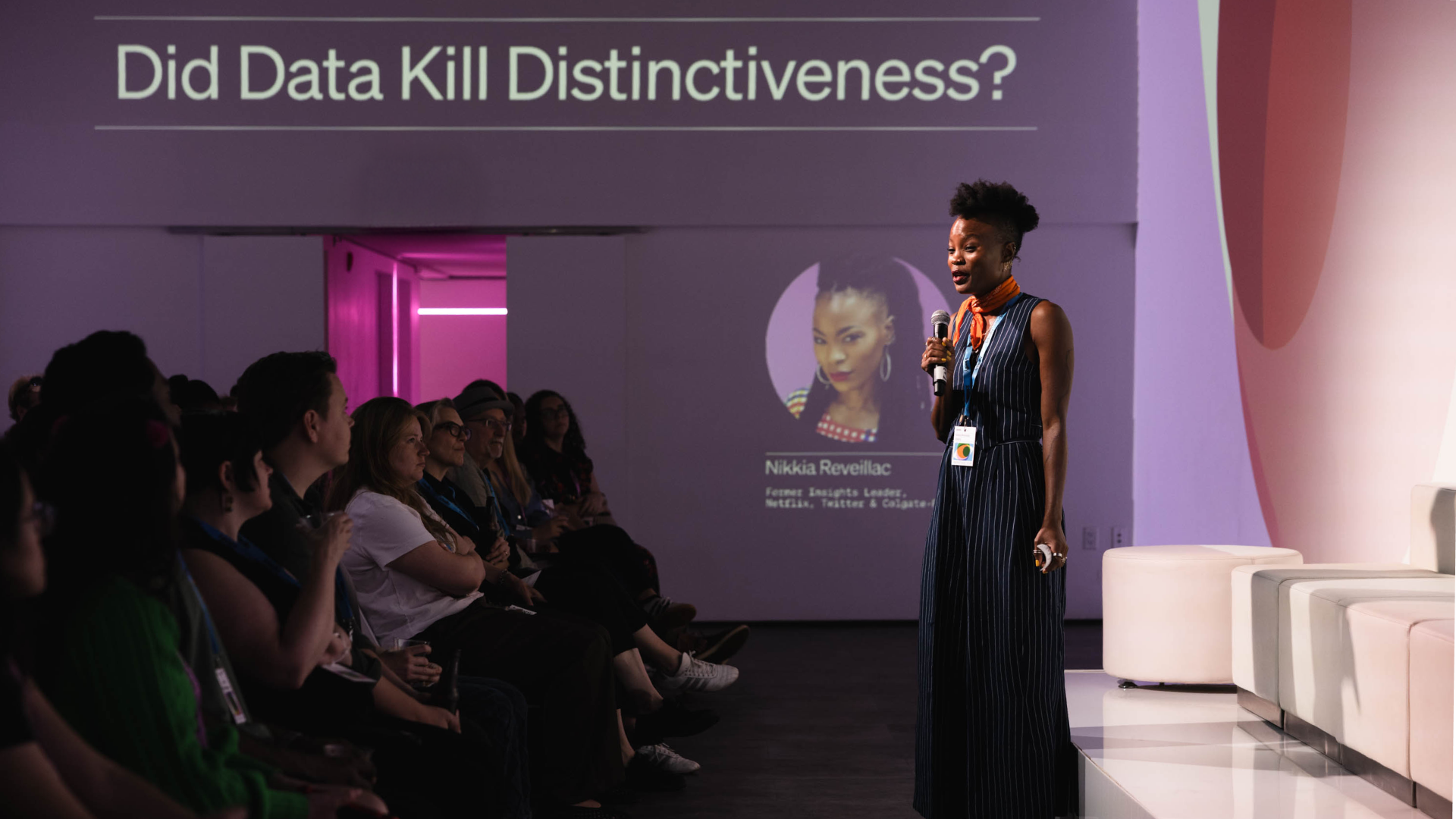
Nikkia Reveillac opened the evening with a story from her time leading insights at Netflix. When the company experienced its first ever subscriber loss in early 2022, she had five years of tracking data showing early signs of brand softness. The data existed. It just hadn't moved anyone yet.
Getting it to matter required something the data couldn't do on its own. She had to find the right internal dissidents, build a narrative that mixed hard tracking data with qualitative insight, and navigate a culture that prided itself on freedom and healthy debate. The insight wasn't the breakthrough. The strategy around the insight was.
Her provocation: we over-rotate on the humans we're trying to reach and underinvest in the humans we need to bring with us. The most important insight skill isn't analysis. It's knowing when not to do research, knowing what data not to show, and knowing how to move something through an organisation.
Data as fuel, not verdict
Sally Barton's view was clear: the brands that have lasted over a century haven't lasted by ignoring data. They've lasted by using it to stay honest about whether they're still doing what made them matter.
Take Triscuit. Conventional wisdom said lean into the story. But when the team looked at what actually motivated new buyers, this wasn't the pull. Everyone already knew it was better for you. They needed to be convinced on taste and texture. The data didn't confirm the hypothesis. It replaced it. The campaign that followed doubled ROI.
On consistency, Sally's view was marketers move on every two to four years, and everyone wants to make their mark. The antidote is codifying the fundamentals, a ten-year vision, a three-year plan, and the discipline to work backwards from both.
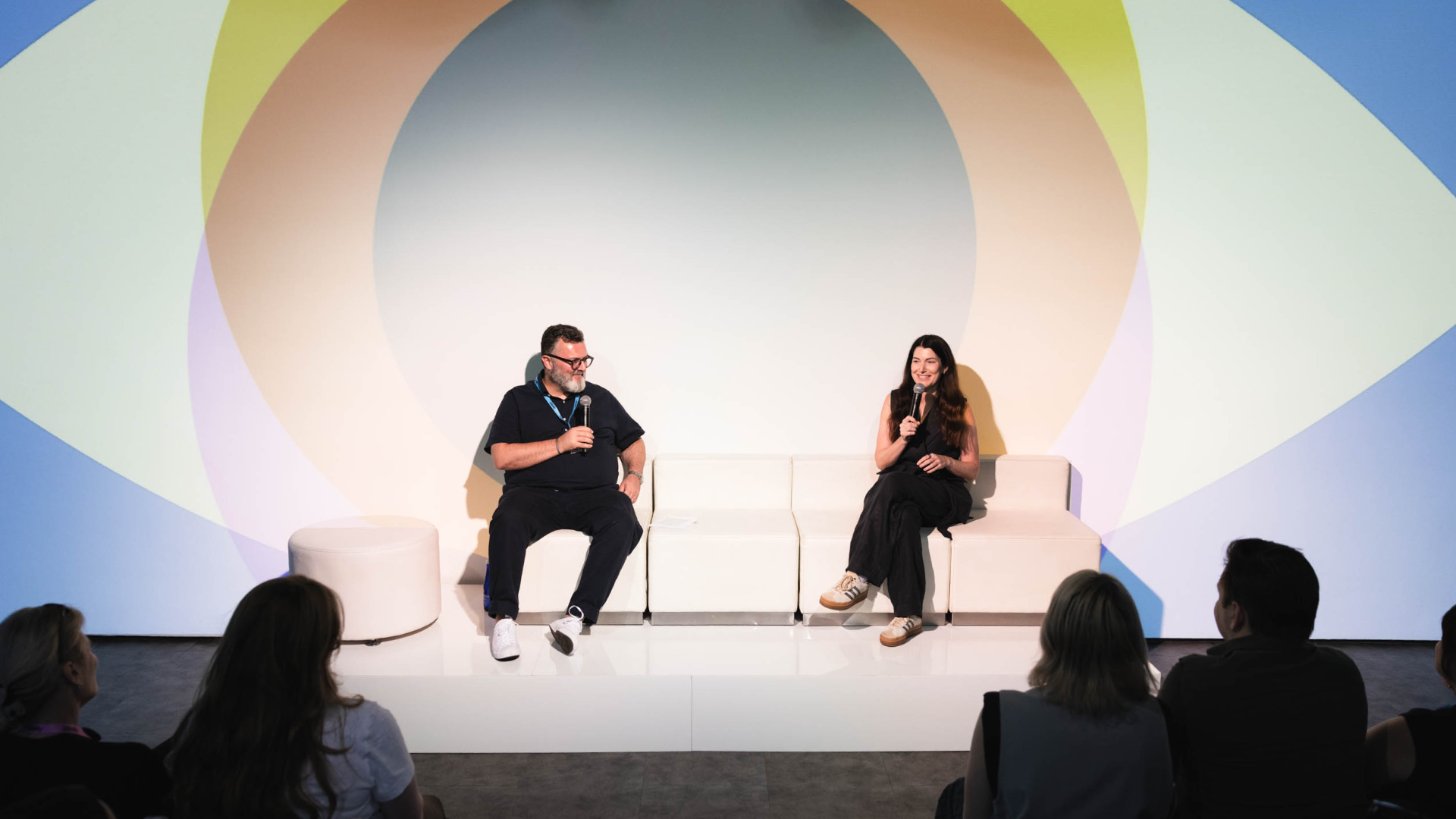
What 144 years of brand love can teach us
Felicia Zhang reframed Bar Keeper's Friend from cleaning product to lifestyle enabler, which opened up a very different map of where the brand had permission to play: thrifting communities who restore quality products, pit masters who swear deep cleaning their tools improved the quality of their meat. Spaces that focus on caring for the things that matter to you.
The pack redesign was the brand's first in ten years. Two directions went into research: one quieter, one bolder. Consumers chose the bold. But the more revealing finding came unprompted. The design team had hypothesised they could drop the before-and-after photography in favour of a cleaner, more modern look. Hundreds of written responses said otherwise. People weren't attached to how the photos looked. They needed what the photos proved. The before-and-after wasn't a design choice to be refreshed. It was the whole point.
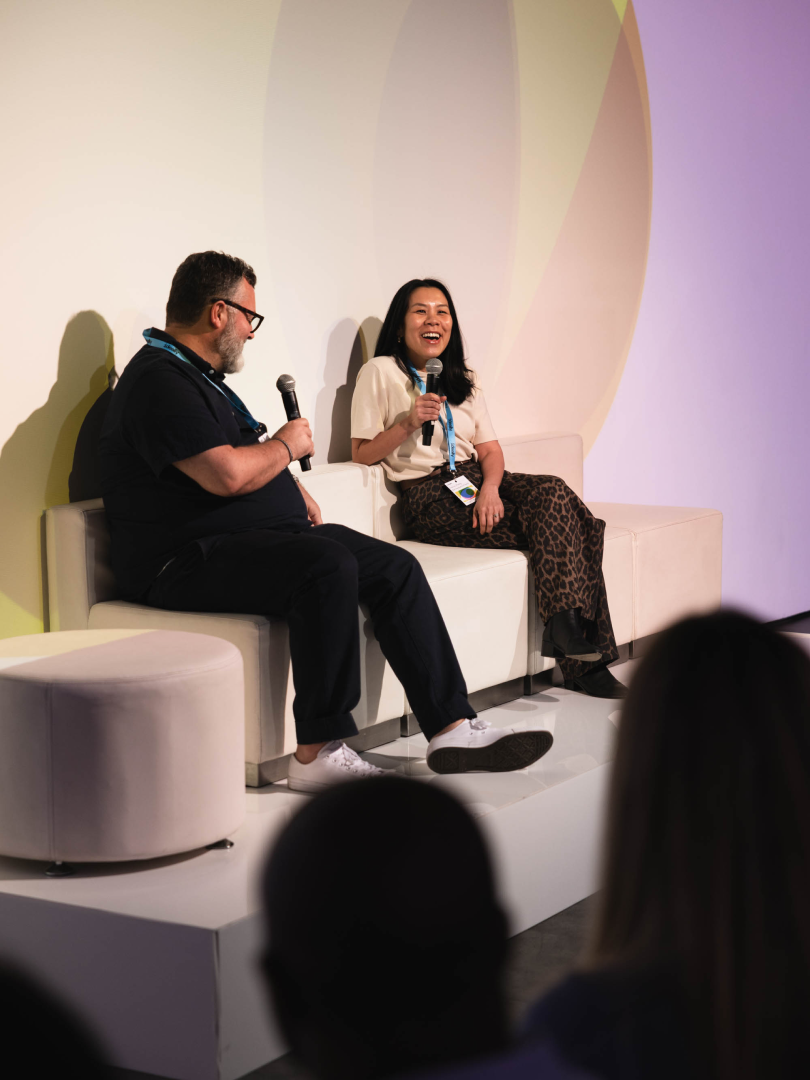

Why optimising everything is how you end up with nothing
Joe Burns gave the evening its sharpest provocation. His word for what's happening in too many organisations: sloptimisation. Optimising so precisely against short-term metrics that you hollow out the thing you were supposed to be building.
His analogy was based in ecology. Maximise corn yield in a field and in five years you've destroyed the soil, killed the wildlife, and turned it to desert. Brands work the same way. The things that keep an ecology alive (the bees, the squirrels, the soil) often can't be measured in the moment. That doesn't make them optional.
His final provocation: beauty as an act of resistance. Creating things with value beyond their utility encourages people to treasure and protect them. That long-term value cannot always be immediately measured, but it compounds.
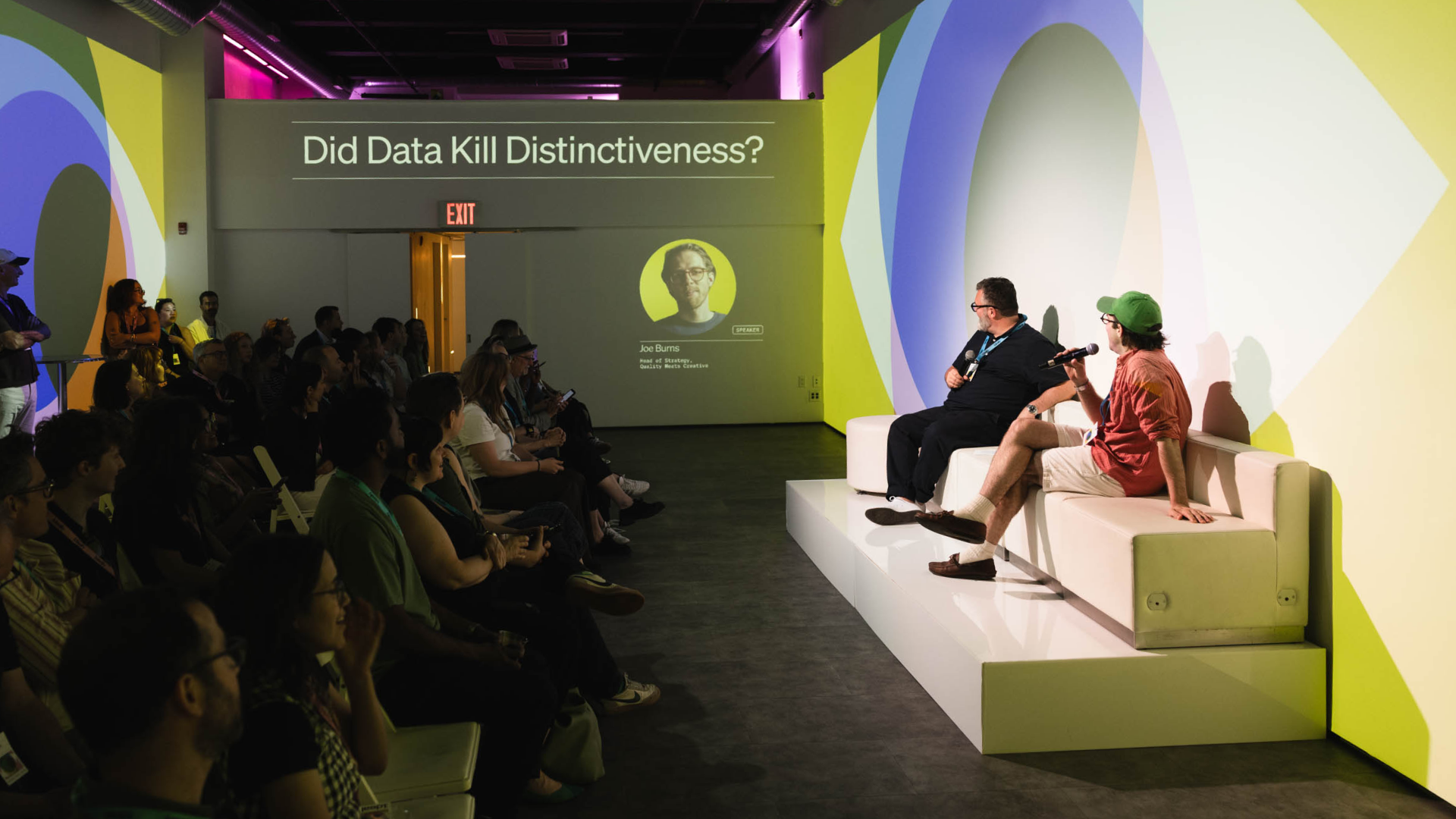
So, did data kill distinctiveness?
The verdict was a unanimous no. What data can do, in organisations that give it too much authority, is narrow the aperture. It makes the measurable feel more real than the things that take longer to show up in a number.
The antidote isn't less data. It's better questions. Knowing what to test and what to trust. Holding space for instinct, then using research to find out whether it holds up beyond the boardroom.
That's the bet we've made at Ideally: give people the data fast enough, and clearly enough, that there's room left for the instinct.


