
How Hellers Turned Shopper Insight Into One Of Its Strongest Innovation Launches
The Challenge
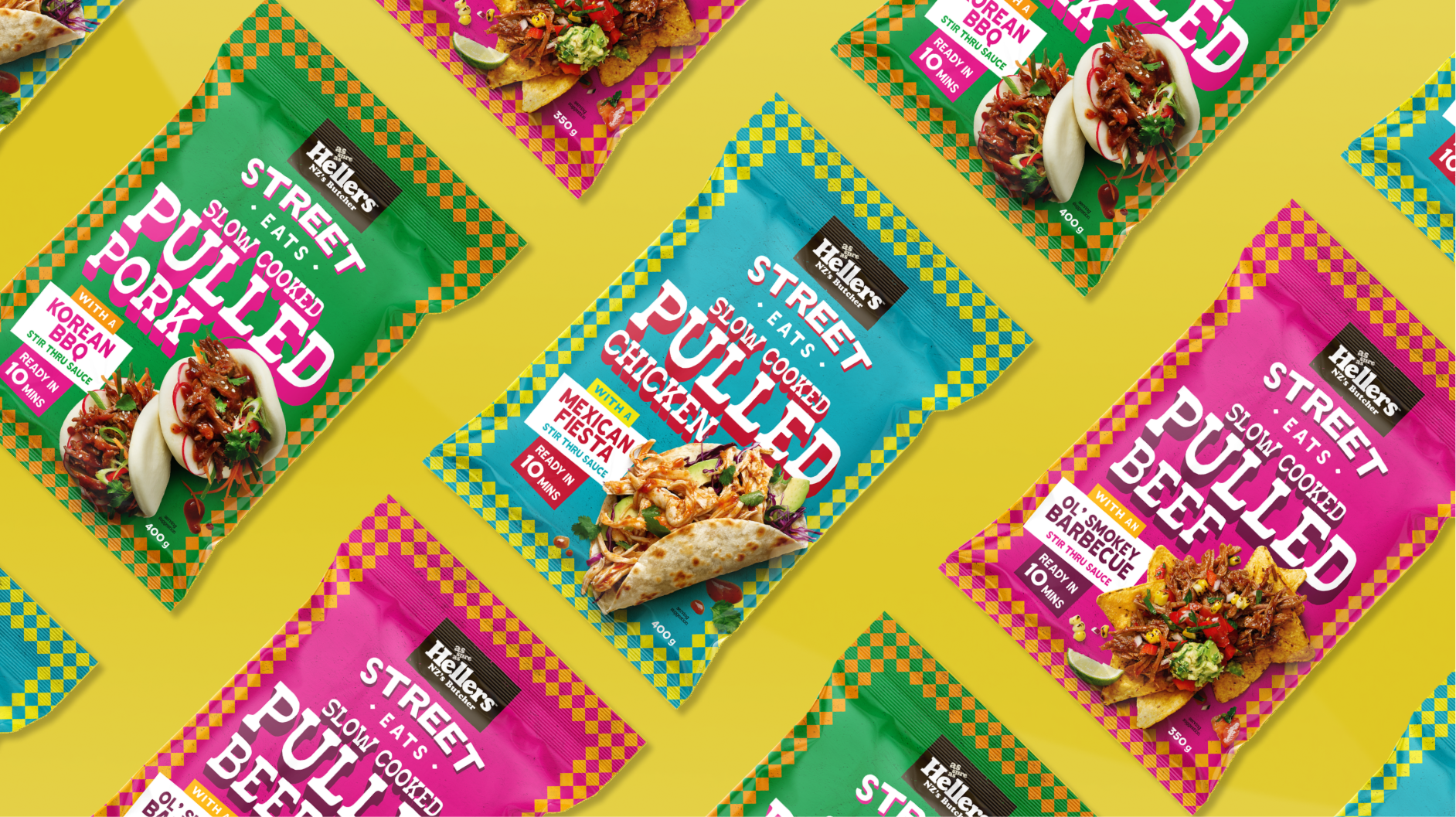
Hellers' innovation programme was heading into uncharted territory. The value-added, ready-to-heat space in butchery was dominated by traditional, boxed comfort meals at high price points, and the team saw the chance to modernise it with Street Eats, a food-truck-inspired range across two lines: Loaded Dogs, a natural step from a brand known for sausages, and Pulled Meats, unlike anything Hellers or the category had put in retail before.
Stepping into the unknown meant the usual reference points didn't exist. No comparable products to size the prize against, no category data to lean on, and retailers with their own firm views about where meal solutions were heading.
The Insight
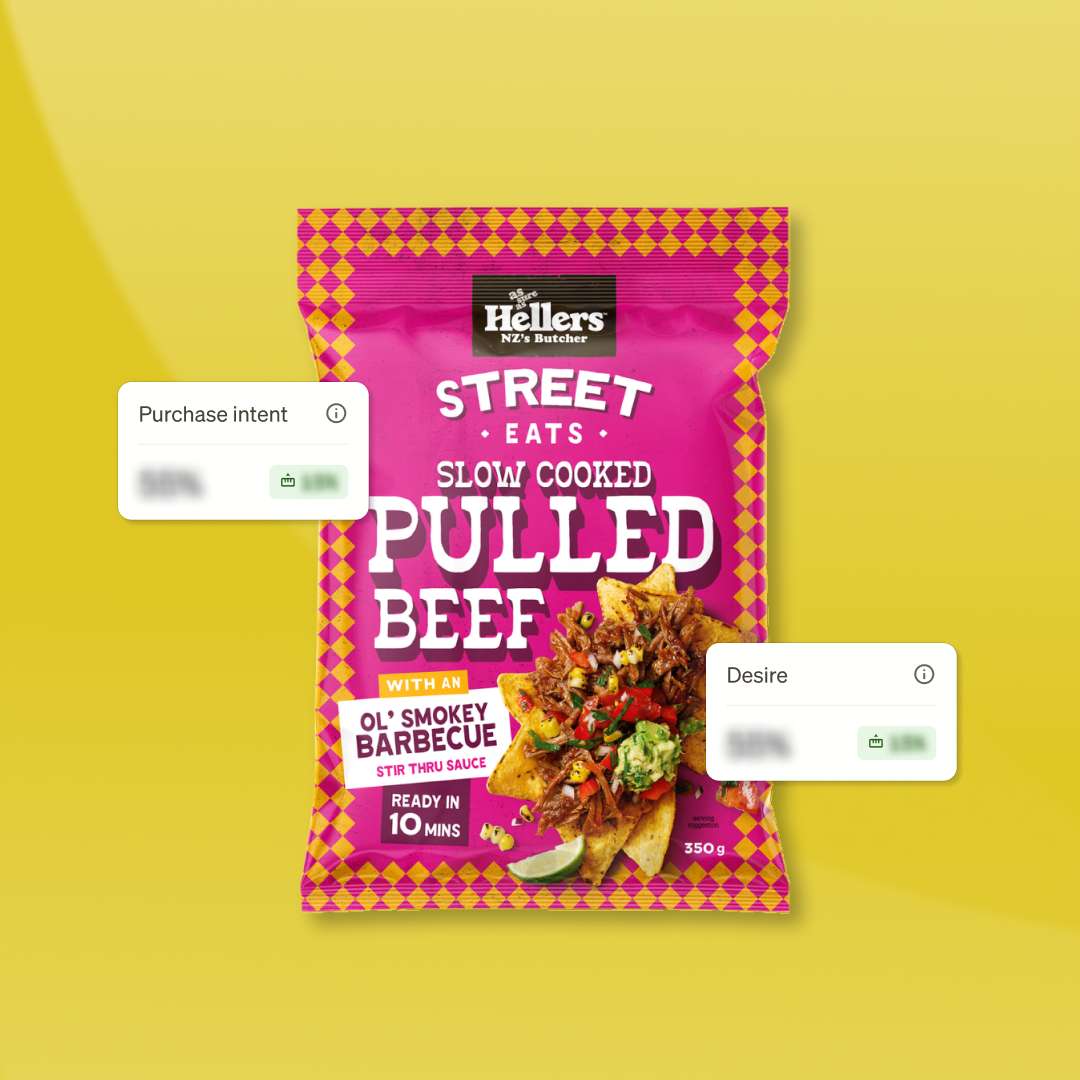
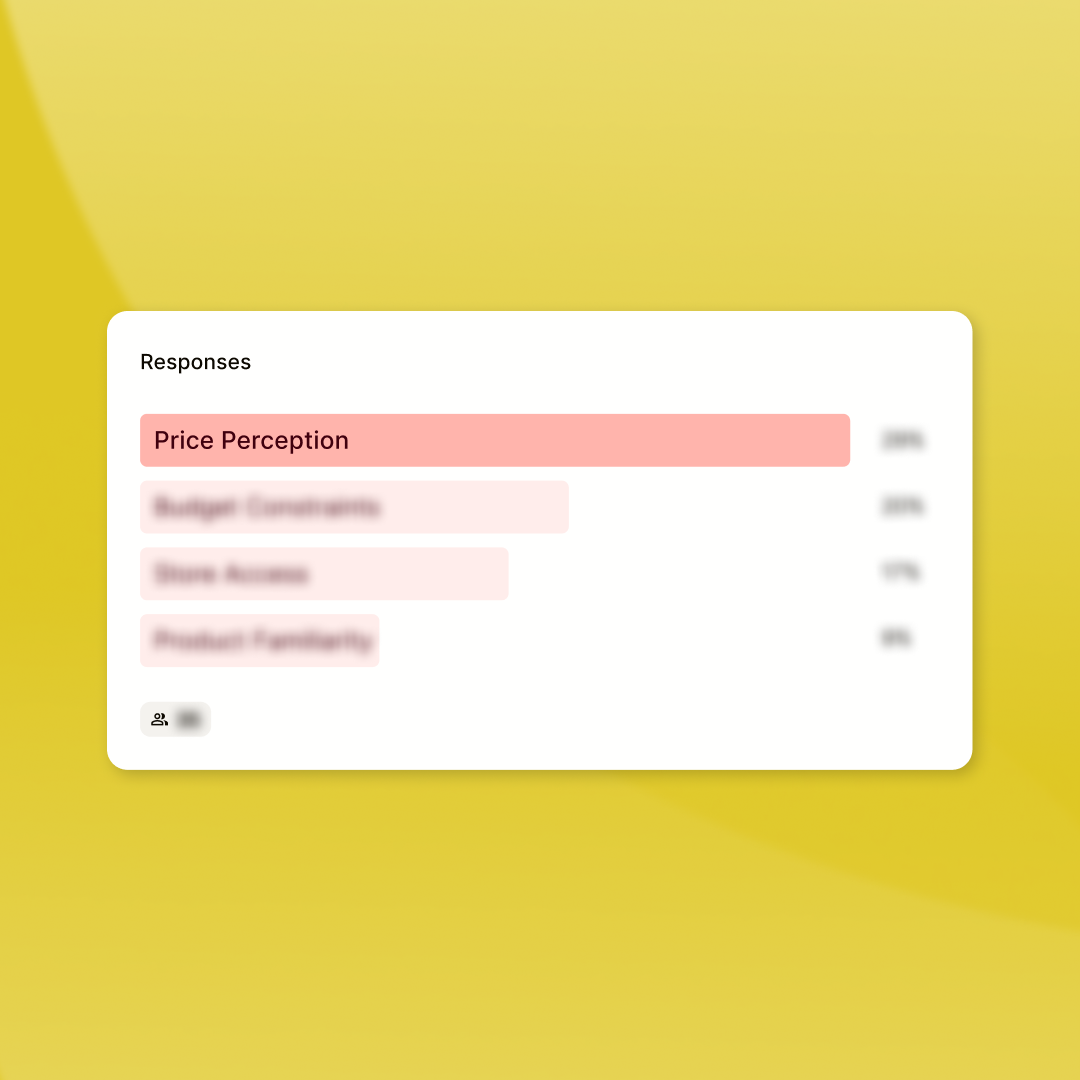
The team ran both ranges through Ideally's Overnight Testing. A Concept Test scored every idea on Desire, Distinctiveness, Purchase Intent and Brand Fit against category benchmarks, with custom questions covering names, flavours, pricing, cannibalisation and in-store placement. Results came back the next day, with open-ended shopper verbatims alongside the scores.
Both concepts performed strongly against category benchmarks, with Pulled Meats particularly strong on purchase intent and desire, and the research even helped confirm the Street Eats name.
On cannibalisation, the read was reassuring. The research helped Hellers understand likely sources of volume and assess the potential for incremental category growth.
The detail mattered too. Each Pulled Meats pack includes a flavour sachet to stir through, designed for a segment earlier Ideally category research had identified as easy prep cooks, people who want to cook but want help speeding it up. Shoppers got it, with good indications from the research that they'd use the sachet.
The Outcome
The team used the flavour and protein rankings to shape the range and drive ranging recommendations with retailers. Shopper verbatims went directly into account presentations, and the segment data became the evidence that a large audience was waiting for adventurous, ready-to-heat flavours at an accessible price point.
The same material was used internally to give the sales team a window into what shoppers were thinking. Both ranges launched in winter 2026, Loaded Dogs first with Pulled Meats about a month behind.
The Results
The launch has been recorded as one of Heller’s strongest recent innovation launches. Other results include:
- Research costs reduced. Conducting shopper research has become significantly more cost-efficient, allowing Hellers to test more ideas earlier in the innovation process.
- Faster speed to market. The team can meet tight range review timelines and move more quickly on emerging trends, rather than waiting weeks for research to come back.
- Strong retail performance. The range has secured broad distribution across major supermarket banners and early signs are promising.
- The research predicted what shoppers would buy. The flavour rankings from the survey have largely matched what is selling in market, giving the team a validated read on shopper preference before production.
- The learning loop continues after launch. Post-launch research is helping understand in-market performance and refine future innovation.
- Early testing is now standard practice. Hellers now runs ideas through Ideally at the earliest possible stage, helping the team identify what has legs and eliminate weaker pathways sooner.


