
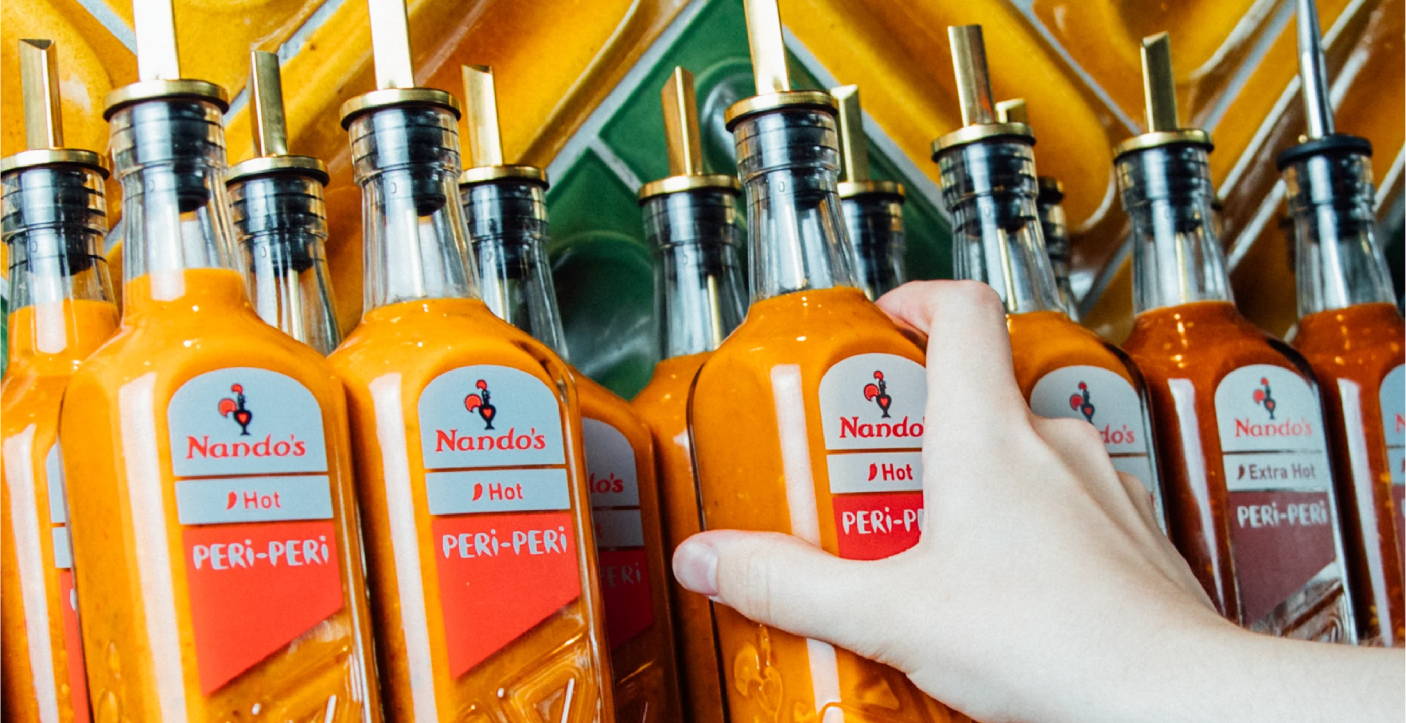
How Nando's Took the Guesswork out of Growth
After a period of focusing on strengthening its foundations, Nando’s is moving into a new stage of momentum. The brand is refreshing how it shows up across different touchpoints and elevating the overall experience, whether people encounter Nando’s in restaurants, through delivery, or in retail.
But evolving the physical environment is only one piece of the picture.
As the business grows, Nando’s is placing greater emphasis on understanding its customers and ensuring that this understanding informs how the brand shows up in market. This shift is shaping how teams think, prioritise and make decisions, and it is one of the reasons Nando’s partnered with Ideally.
The marketing team was looking for a way to stay close to real consumer sentiment without slowing down. They needed quick, straightforward insight that could help guide decisions in real time, without relying on long research cycles or heavy reporting.
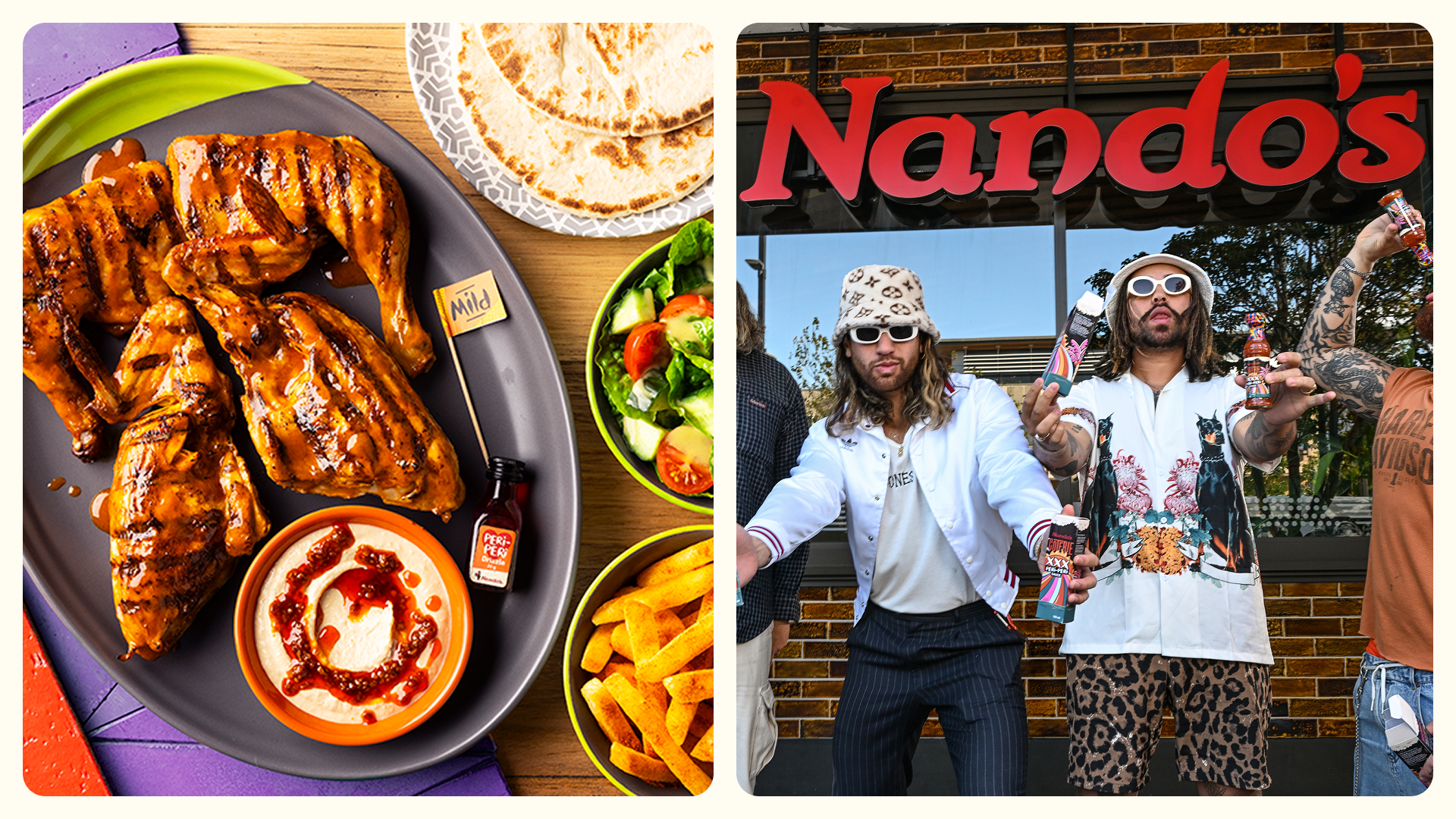
Nando’s has always had strong instincts. The shift is turning that instinct into a more consistent operating rhythm, where consumer voice becomes a practical input across planning, creative, pricing and product.
Here is what that looks like in practice.
They decide what to test through judgement, not a rigid framework
There is no heavy rulebook. If internal data and past performance give the team high confidence, they move forward. When confidence drops or assumptions start to stack up, they test quickly to close the gap before committing.
They test multiple options, not one “final” idea
Nando’s avoids testing a single execution. If you only test one option, you learn why it failed, but not what would have worked better. Instead, the team typically tests two concepts that are different enough to create contrast, then either selects a clear winner or combines learnings. Bennett gave the example of naming and describing menu items. When a product is not self-explanatory, the team tests multiple names and subheads to find what is most compelling and clearest, rather than relying on internal preference.
They use testing as a decision accelerator, not a research project
When a campaign or proposition is close to going live, the team uses Ideally as a fast sense check. The goal is not perfection. It is to reduce avoidable risk and improve impact. In practical terms, testing helps the team decide whether to invest harder, scale back into lower-cost channels, or make one or two refinements to lift performance before it hits the market.
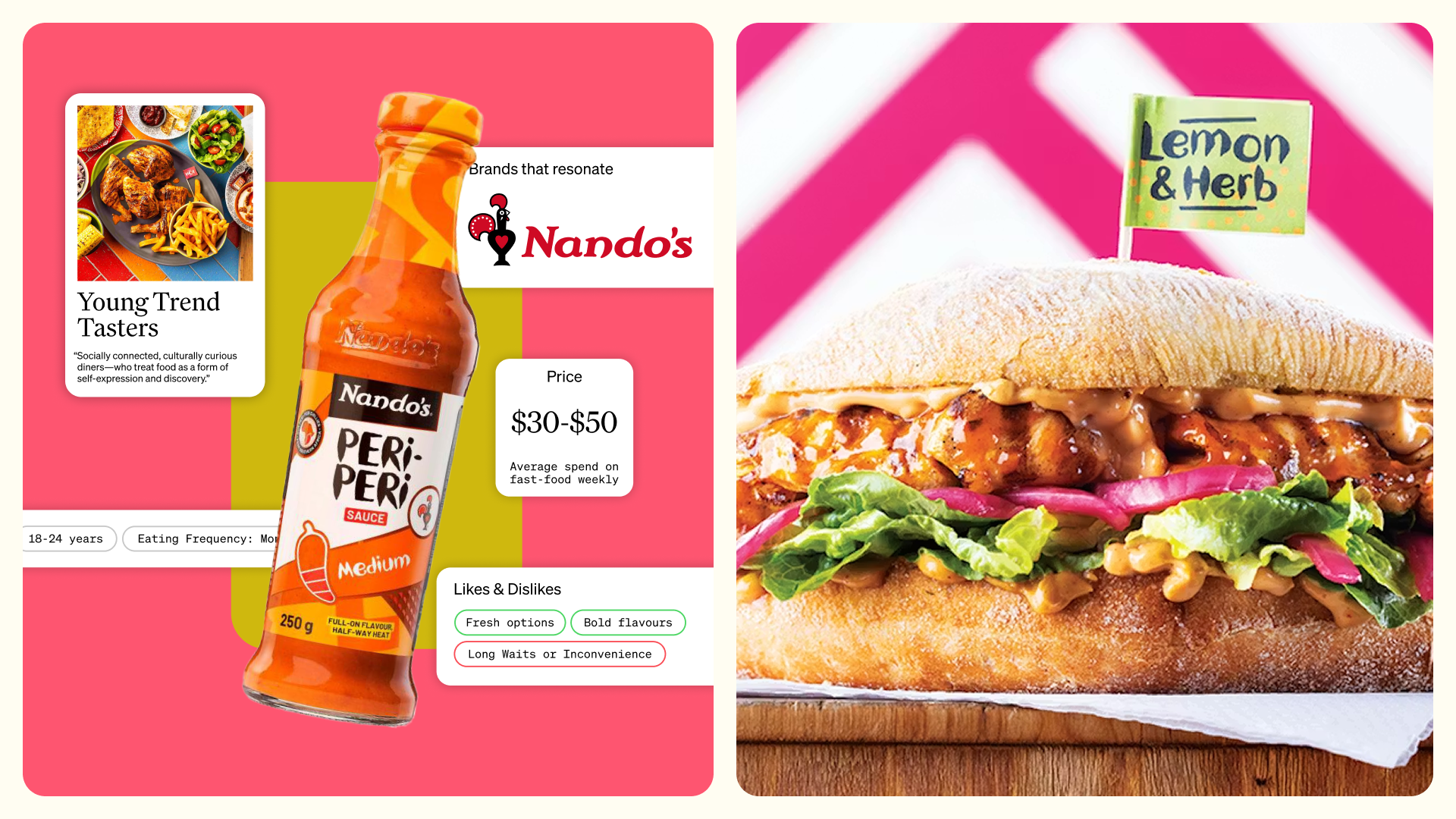
Looking ahead to 2026, Nando’s is pushing insight further upstream. Rather than using research as a final sense check, the team is testing ideas earlier and more often, with multiple consumer touchpoints during ideation and development.
That shift is already shaping outcomes. Recent testing showed that while Nando’s advertising remains distinctive and well recognised, greater emphasis on food and flavour drives stronger impact than broader cultural commentary. Grocery pricing tests also confirmed consumers’ willingness to pay a premium for Nando’s PERi-PERi flavour, strengthening confidence in future innovation.
This is more than a change in tools. It reflects a cultural shift in how insight is used across the business. Research is no longer a safety net at the end of the process. It is a creative input from the start. With strong C-suite support and growing momentum behind early testing, Nando’s is building a faster, more confident decision-making model that connects consumer voice directly to growth.
The end goal is a closed feedback loop. Test early. Launch with confidence. Measure impact through brand health tracking. For Nando’s, this is what modern growth looks like. Less guesswork. More clarity. A brand built to move at the same speed as its customers.


How it works
Built for
Learn
About
