

The Shift to Smaller: Changes Coming to Confectionery
But are consumers actually buying it? We surveyed 400 Aussies to find out.
The appeal is real, but the trust is not
44% of Australians cite portion control as the main appeal of smaller packs, and 41% say they would buy confectionery more frequently if smaller sizes were available. The format is working.
But dig a little deeper and confidence in brands' motives starts to crack. 34% believe smaller packs are simply a way for brands to make more money, and 21% call it a marketing gimmick and 30% see smaller packs as shrinkflation.
Who it is working for matters too. Women are more likely to value portion control and less guilt than men, while younger adults aged 18-44 show stronger interest in trying something new. Older adults aged 55 and over are less engaged, with up to 39% saying they don't find small packs appealing at all.
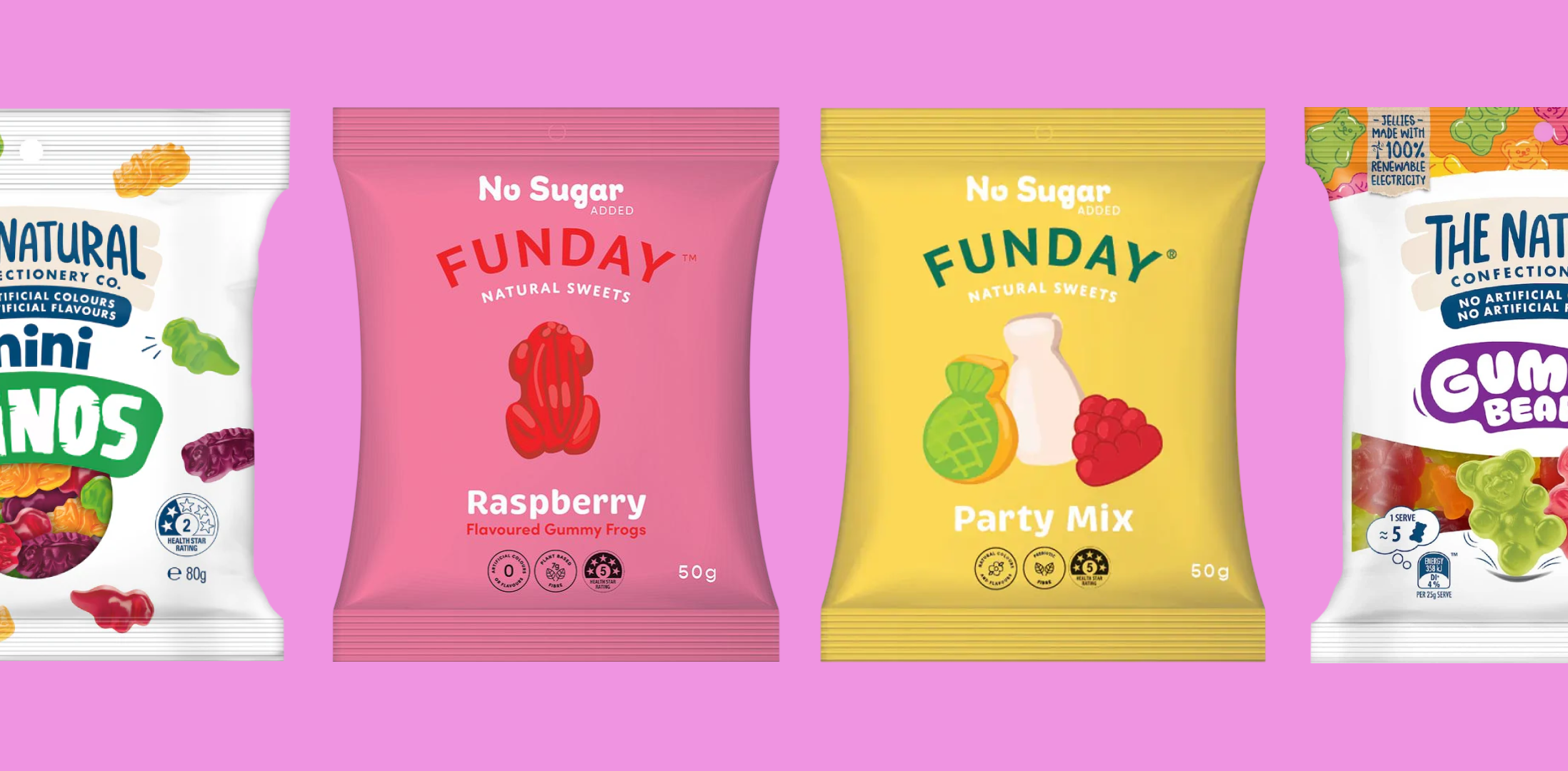
The generational divide
Younger Australians are driving this shift. 58% of 18-24 year olds and 55% of 25-34 year olds say smaller pack sizes would make them buy confectionery more often. That intention drops sharply with age, with just 9% of 65-74 year olds agreeing. The audience most receptive to the format is younger, more frequent and more commercially responsive.
The sweet spot is $2-6
79% of Australians spend between $2 and $6 on a snack. Smaller pack formats slot neatly into that range, offering a controlled portion at an accessible price point - which is arguably what has driven the format's rise more than anything else.
The GLP factor
One emerging signal worth watching: 5% of Australians say GLP-1 medications like Ozempic have reduced their appetite and influenced their interest in smaller pack formats. That number may sound small, but it points to a structural shift in how a growing cohort of consumers approach food. Smaller portions are no longer just a preference for some shoppers - they are a necessity. As GLP-1 adoption grows, the brands already positioned around smaller, more considered consumption will have a head start.
The bottom line
Smaller formats have earned their place on shelf. But the data makes one thing clear: the format alone is not enough. In a market where a third of consumers see shrinkflation before they see value, trust is the real battleground. The brands that win will be the ones that price, pack and communicate in a way that feels honest, because Aussie consumers are paying close attention, and they can tell the difference.


